




2025.07.18
Guiding Sentient Beings to Buddhahood through LJM Spirit and Essence
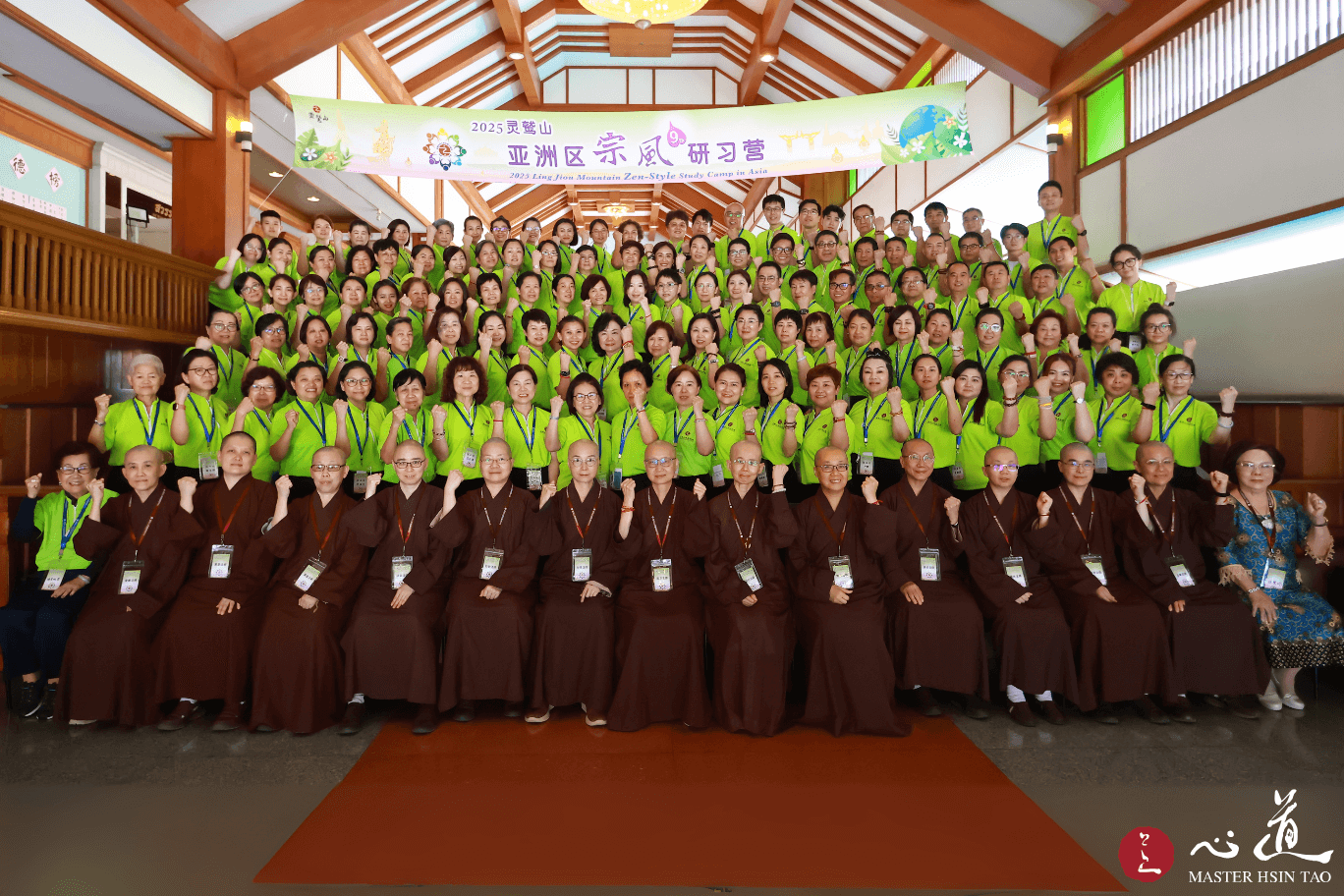
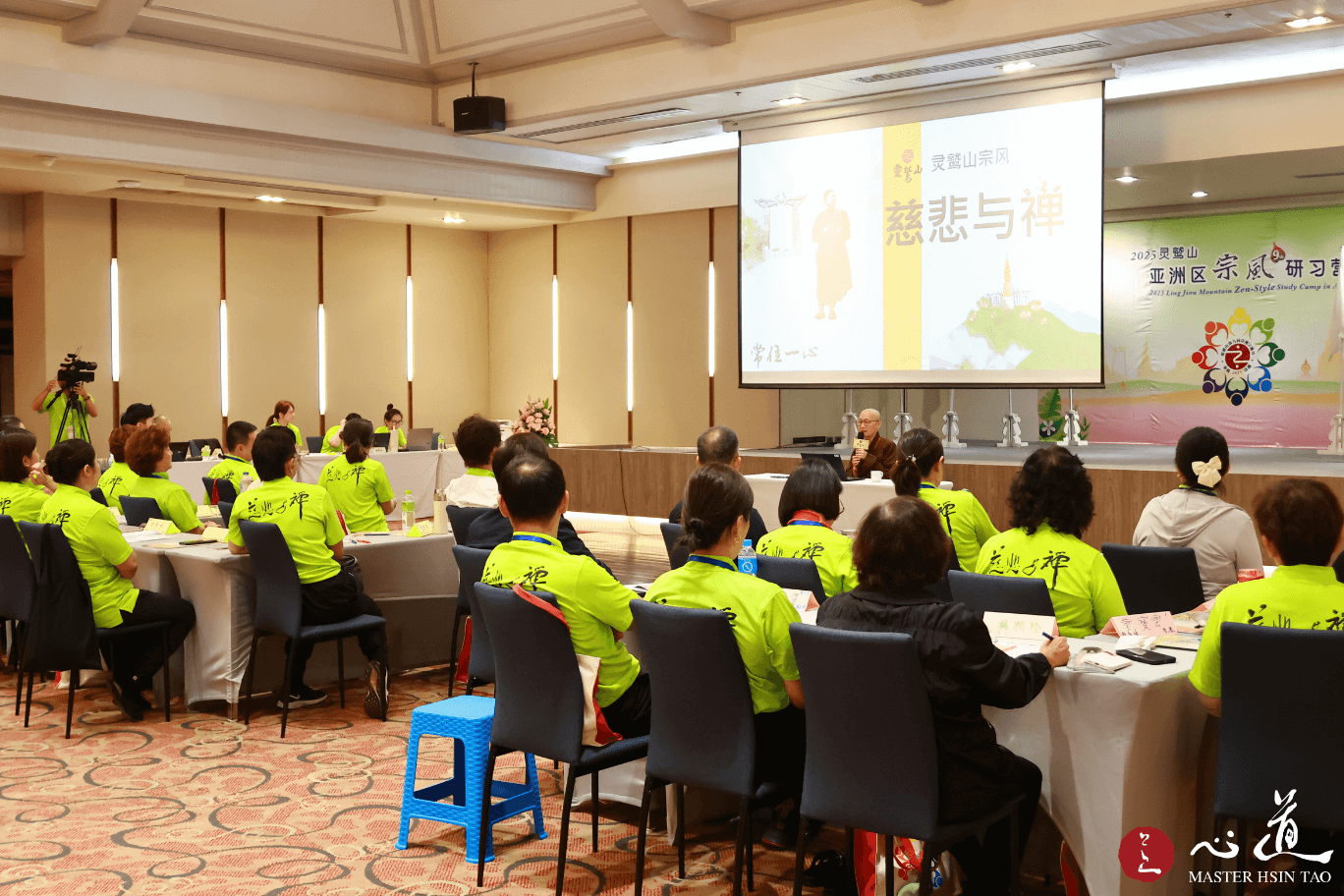
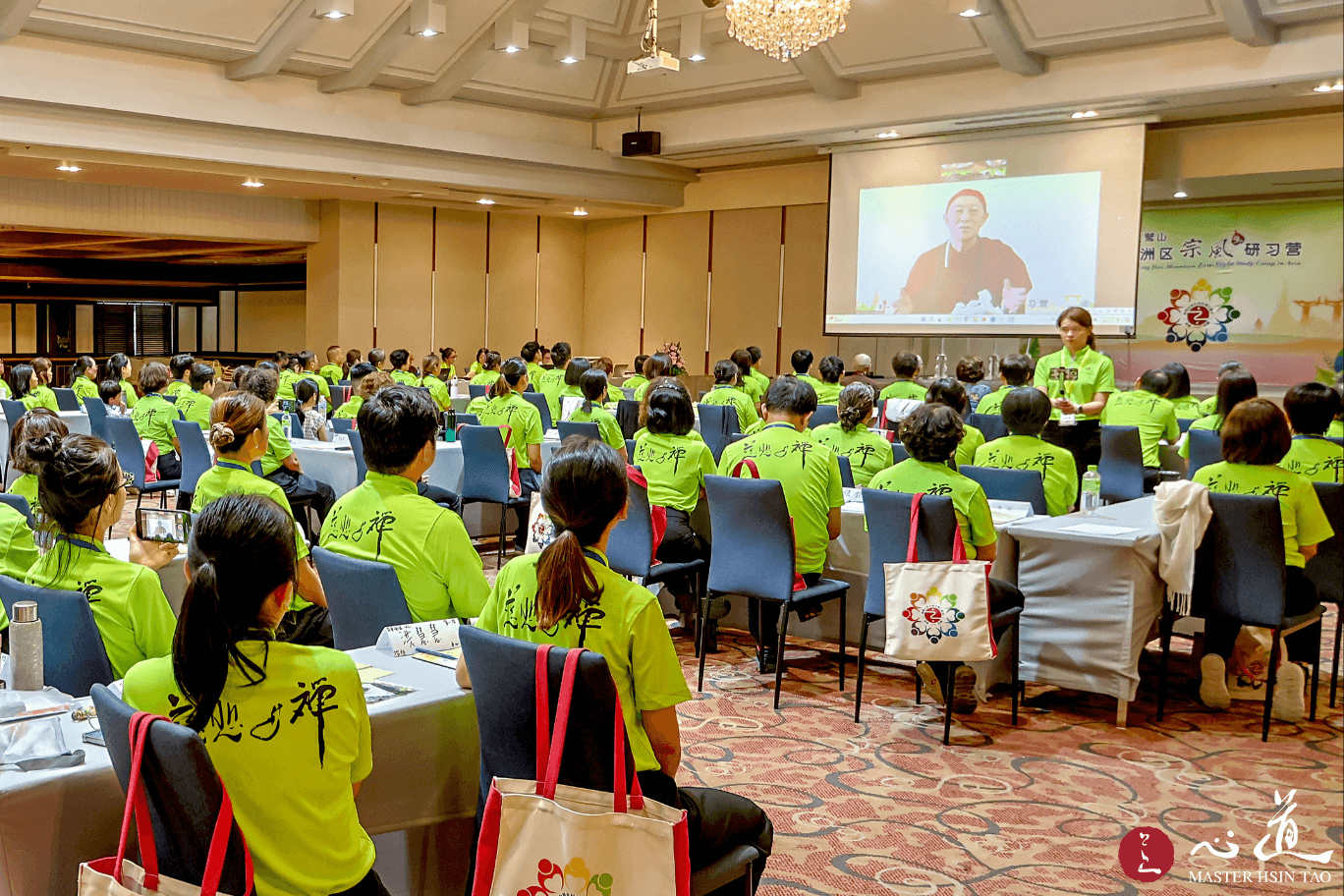 On July 13, 2025, we held the LJM Asiatic Program in Chiang Mai, Thailand. Administrative leaders and representatives from Ling Jiou Mountain’s overseas branches convened in Thailand to participate in this event. The spirit and essence of Ling Jiou Mountain is “Chan and Compassion,” which emphasizes how we apply mindful intention in the practice of compassion. Through the study and practice of Buddhism, our lives are given direction and purpose, enabling us to live a life guided by compassionate aspirations.
Participants in the LJM Asiatic Program gathered to learn what kind of mindset we should hold when engaging with sentient beings. We must cultivate loving-kindness towards all beings; without love, we are unable to guide or engage with others. The arising of loving-kindness depends upon compassion—commiseration for the suffering of all beings. Because sentient beings do not understand the Buddhadharma, they are unable to resolve their afflictions. When we acquire the wisdom of the Buddhadharma, we can resolve the myriad of afflictions and karmic obstacles.
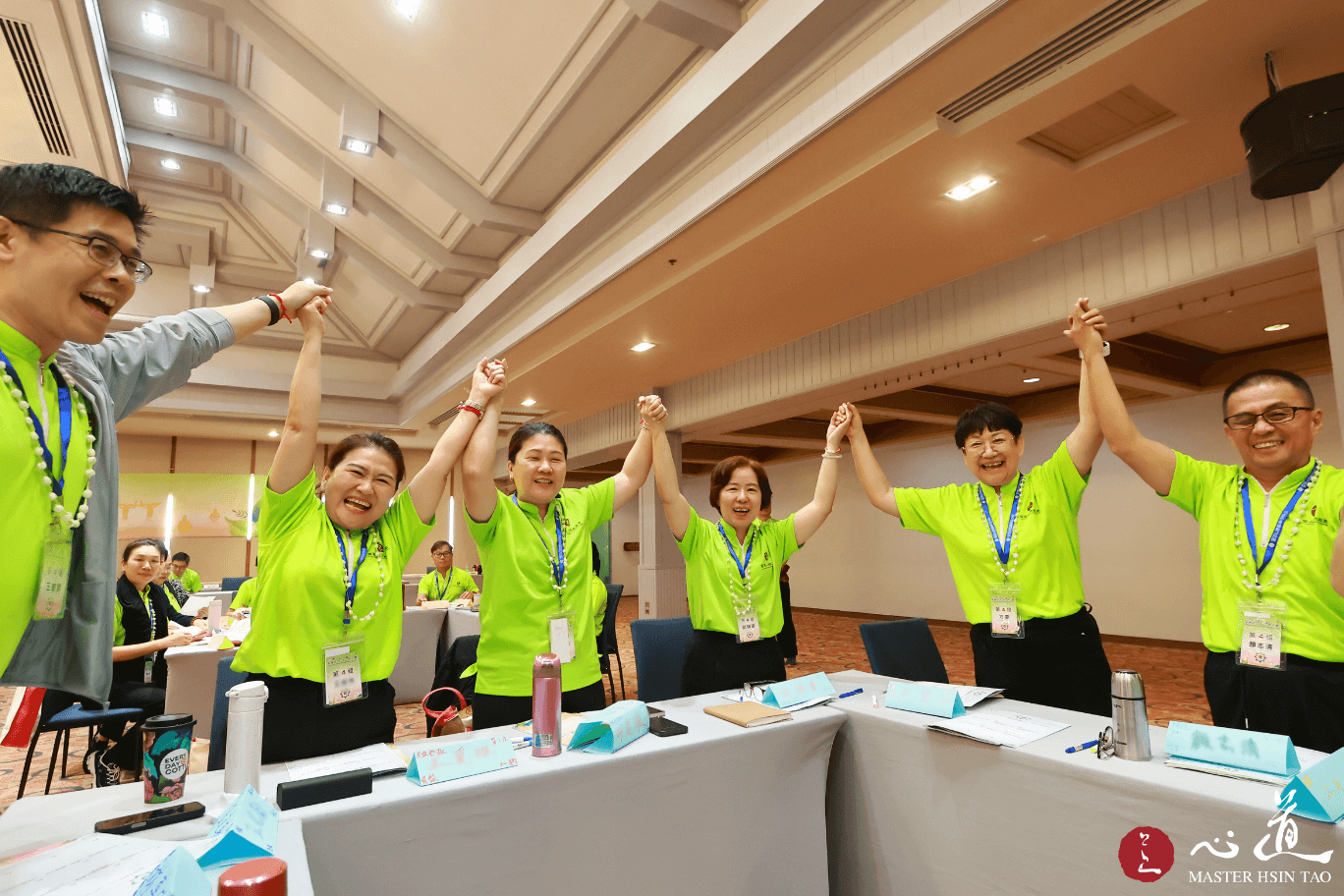 The practice of Dharma enables us to cultivate both merit and wisdom. “Merit” refers to engaging with sentient beings through service and selfless dedication; “wisdom” refers to deepening our understanding of the Buddha’s teachings. The Dharma has the capacity to dissolve all afflictions and to benefit sentient beings. Studying and practicing Dharma bring happiness to oneself and to others alike. To learn Buddhism and attain buddhahood is to help others transcend suffering and attain happiness; through sustained practice, one gradually approaches buddhahood. Simply put, attaining buddhahood involves two aspects: first, actual practice, and second, the realization that we are, in essence, Buddhas.
If everyone is already a Buddha, why have we not yet realized buddhahood, and why do afflictions still abound? This is because we have not yet gained a clear understanding of what a Buddha truly is and of the qualities endowed. In the “Chapter on Faith and Understanding” of the Lotus Sutra, the Parable of the Poor Son illustrates how beings fail to recognize their own inherent Buddha-nature. A destitute son, unaware of his true identity, leaves home at a young age and lives in poverty, accepting only menial labor out of fear and self-doubt. He begins with the humblest tasks—sweeping the ground, cleaning refuse, and enduring hardship—which symbolize the gradual purification of obscurations and the removal of karmic obstacles through practice. Through progressive skillful means, the father patiently nurtures the son’s confidence and capacity, until the son eventually realizes his true identity and inheritance. The parable teaches that all beings are Buddhas by nature, though the realization may require time, guidance, and means of karmic purification. Everyone is likewise capable of attaining buddhahood; the difficulty lies in our lack of understanding of what a Buddha is. As stated in the Avatamsaka Sutra, “All beings possess the wisdom and qualities of the tathagata, yet, obscured by delusion and attachment, they have not realized it.” We are Buddhas by nature, yet because of attachment and delusion, we fail to recognize this truth.
 Within samsara, sentient beings have committed innumerable virtuous and non-virtuous actions. After studying and practicing Dharma, however, we must cease non-virtuous conduct, cultivate virtuous deeds, and engender the bodhicitta, collectively advancing toward the realization of the buddhahood. This constitutes our clear and definite direction. Through the gradual accumulation of these efforts, the path of our lives becomes more unobstructed, and our every intention and mental activity aligns with right view in the Buddhadharma, thereby benefiting all sentient beings by helping them transcend suffering and attain buddhahood.
It is hoped that through participation in the LJM Asiatic Program, everyone will gain a deeper understanding of care for life and inner growth. In this way, our study of Buddhism will not be in vain. To learn and practice Dharma is to nourish every aspect of one’s well-being, so that all may be healthy, and may be joyful, and all may lead lives filled with vitality and happiness.