




2026.09.07
Avatamsaka Pure Land: All Beings are Buddhas
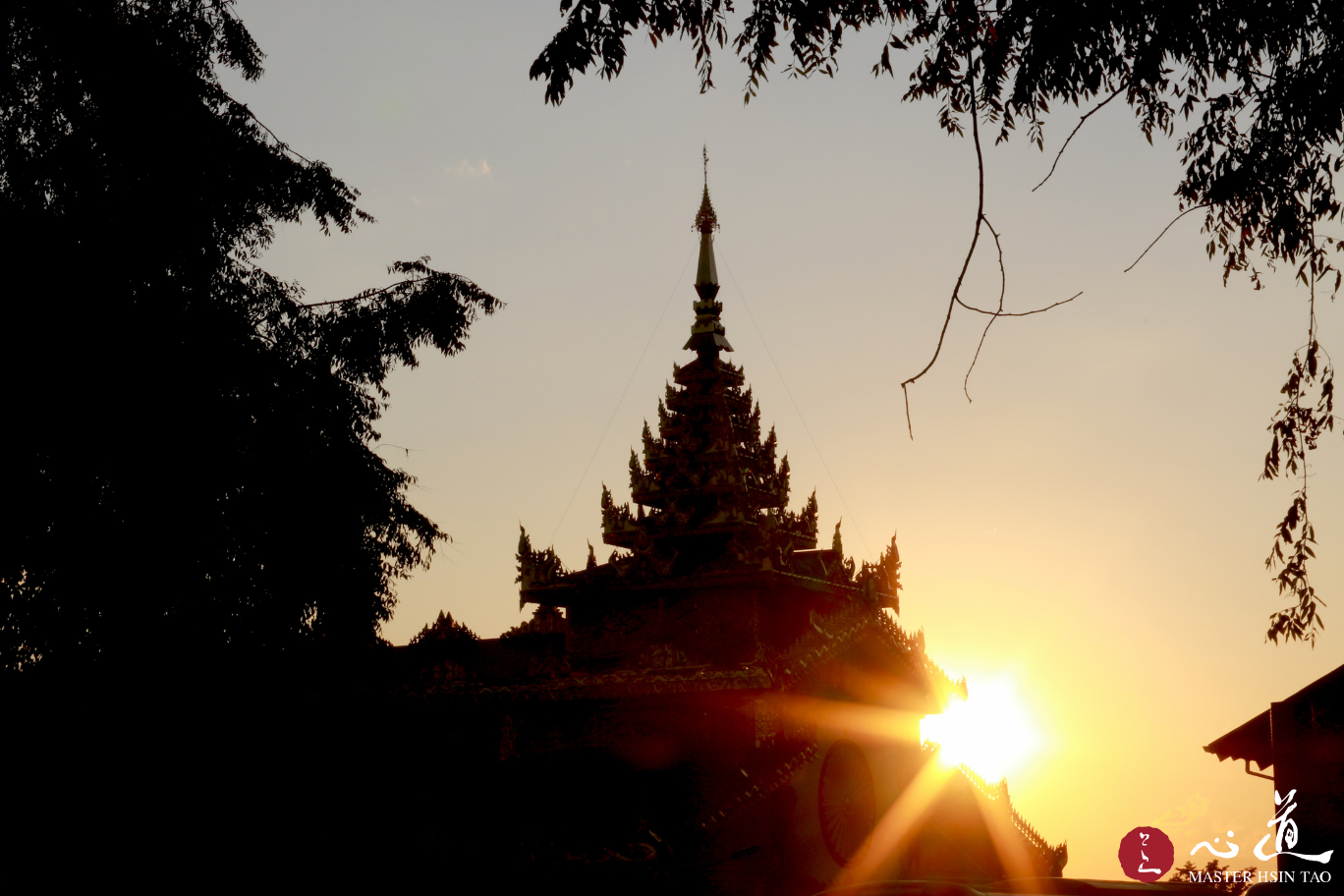 Within this world of manifold differences, all phenomena arise and coexist, while also mutually supporting and counteracting one another. Ultimately, however, they remain connected through with characteristics of interdependent diversity, interconnectedness, and mutual support for thriving. Thus, this world exists through differences and lives in harmony because of commonalities. What is referred to as the essence of Avatamsaka is precisely the understanding that all beings constitute an entity of interdependence—a spiritual community of life in its entirety. Although this community manifests diverse forms of wisdom and differentiation, it ultimately returns to unity.
What Ling Jiou Mountain seeks to promote is precisely the Avatamsaka Pure Land: the conviction that “every being is a Buddha, and everyone will eventually attain buddhahood.” This realm of buddhahood is the Avatamsaka Pure Land. The Avatamsaka Pure Land transcends distinctions of religion, ethnicity, self and other, and species. The whole of existence is wisdom. It is like a thousand-petaled lotus: each person is one lotus, one leaf among its countless petals and leaves. The entire world is the world of the Buddha, and each individual is like a small lotus; when brought together, they form a single buddhafield. In the Avatamsaka Pure Land, all sentient beings are Buddhas.
Everything that Ling Jiou Mountain undertakes is ultimately for the benefit of the greater community. What the “Avatamsaka Sacred Mountain” truly seeks to establish is not merely a temple, but a “sacred mountain of the spiritual mind”—a place that brings forth the true meaning of human life. The Museum of World Religions (MWR) seeks to present the Avatamsaka Pure Land by demonstrating the coexistence and mutual flourishing of the various religious traditions, and by further bringing their shared spirit of compassion and loving-kindness into connection. Advancing such work of love is itself one of the purposes of Avatamsaka. Once we understand that all sentient beings constitute an entity of interdependence, religious experience and wisdom can elevate and expand this kind of love. Whether expressed as God’s love for humanity or the Buddha’s liberation of sentient beings, the fundamental purpose is the same: to benefit sentient beings and to return ultimately to the original nature of mind. The various religious traditions share many common elements. What the Museum of World Religions seeks to accomplish is mutual integration and understanding, ultimately enabling each tradition to express and practice, according to its own familiar forms, its commitment to liberating sentient beings through love and compassion.
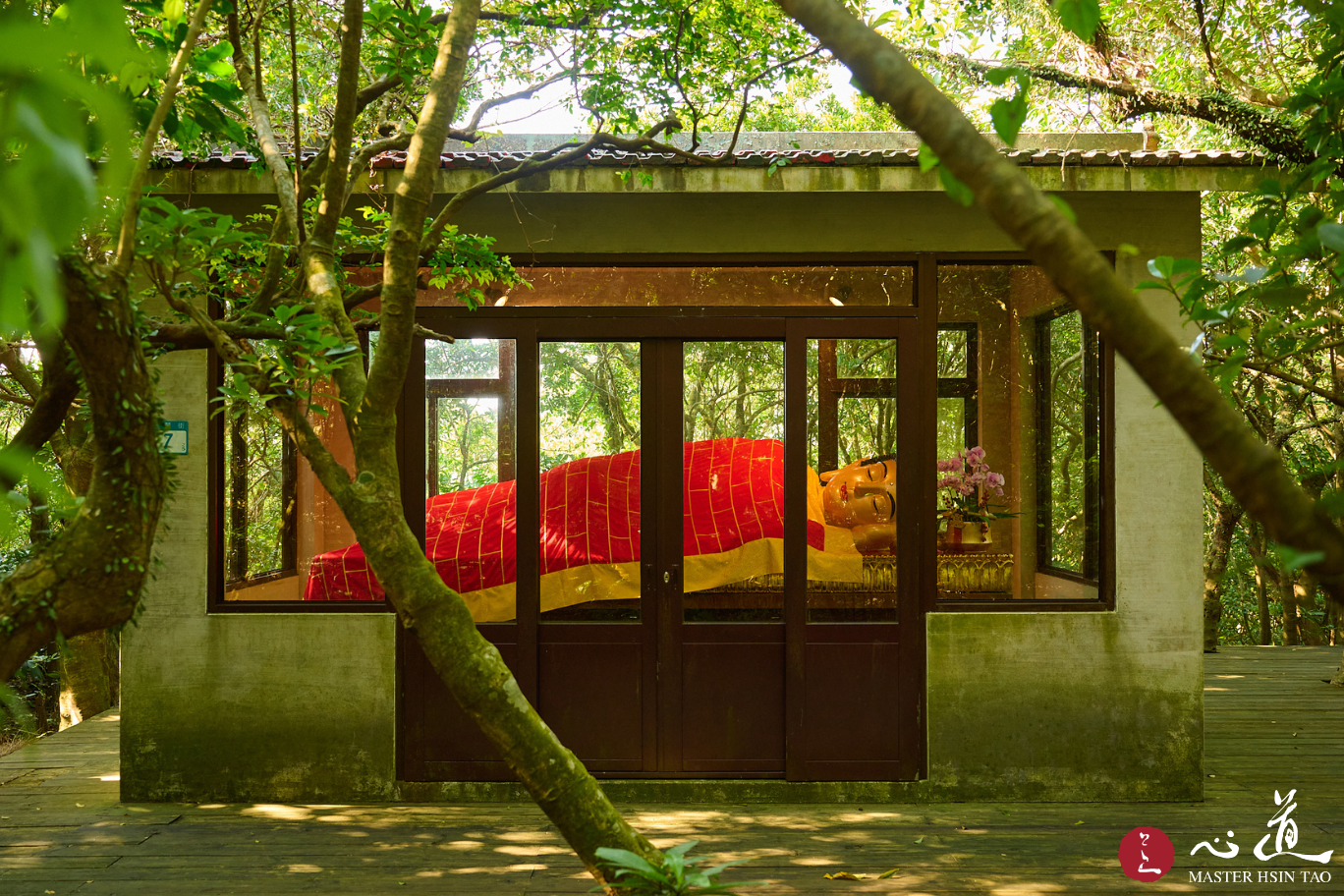 In terms of the Four-stage Training, we take the Agama Stage as the foundation, emphasizing the observance of ethical discipline and cultivation through practice. We then proceed to the guidance of the Prajna Stage, training and refining our pattern of thinking until it reaches perfection and maturity. From there, we generate the aspiration to follow the bodhisattva path of the Saddharma-Pundarika Stage, receiving the prophecy of buddhahood and working extensively for the liberation of sentient beings. Thus, we move from self-benefit to benefiting others, and from self-awakening to awakening others. Finally, we actualize the Avatamsaka spirit of “live to serve, dedicate life to lives,” reaching a state in which there is nowhere that is not encompassed within the Pure Land of Avatamsaka. Through the unobstructed intermingling of the truth and phenomena, as well as the unobstructed intermingling of phenomenon and phenomenon, we undertake a holistic work of dedicating our lives to the service of life, thereby actualizing the realization of the Avatamsaka Pure Land. This is the concrete realization of “proceeding from the local landscape to the Avatamsaka realm,” and it is also the present-moment, complete manifestation of the Avatamsaka framework of faith, understanding, practice, and realization.