







2026.03.05
Systematic Buddhist Study and the Life Guidance of Dharma
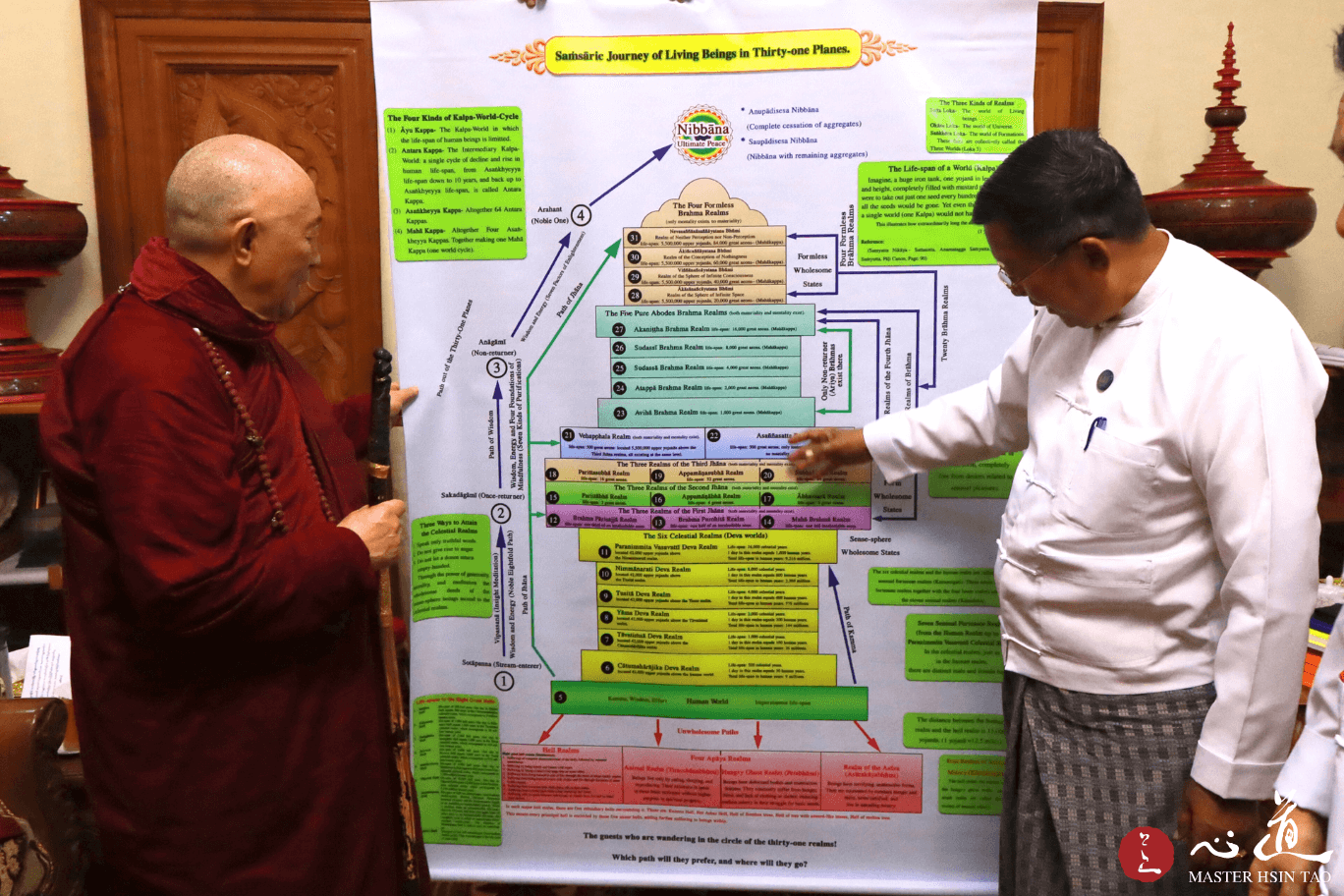
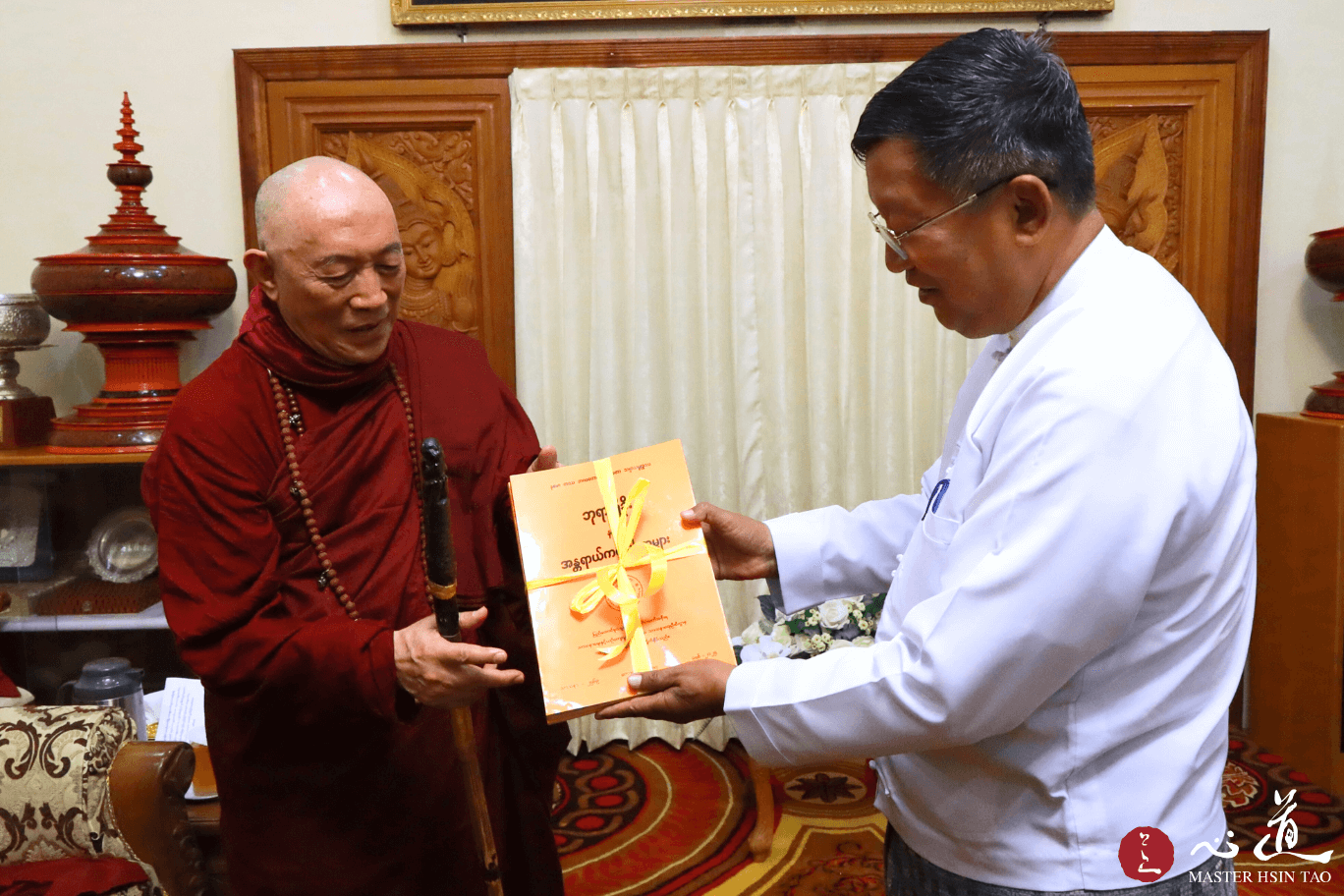
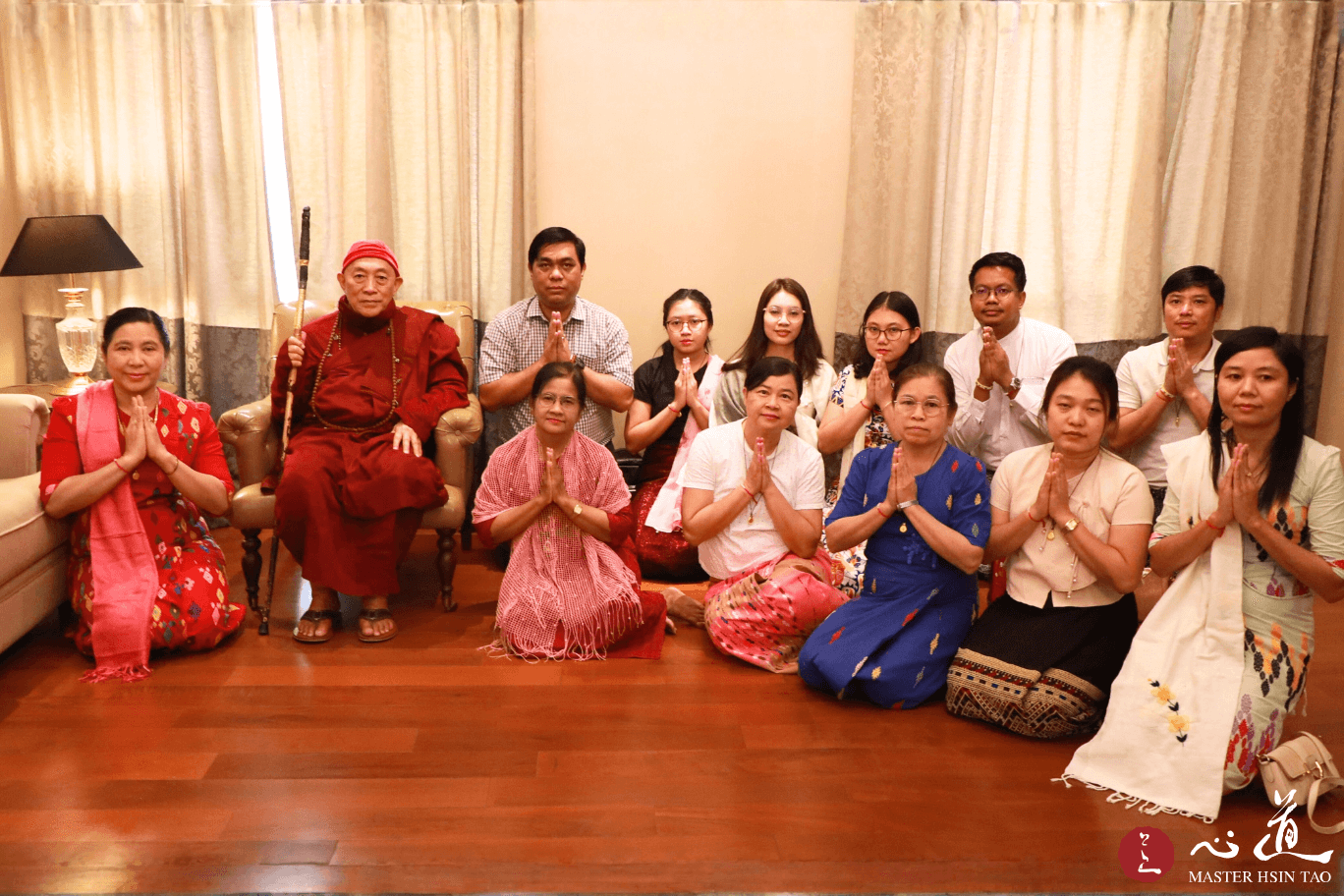
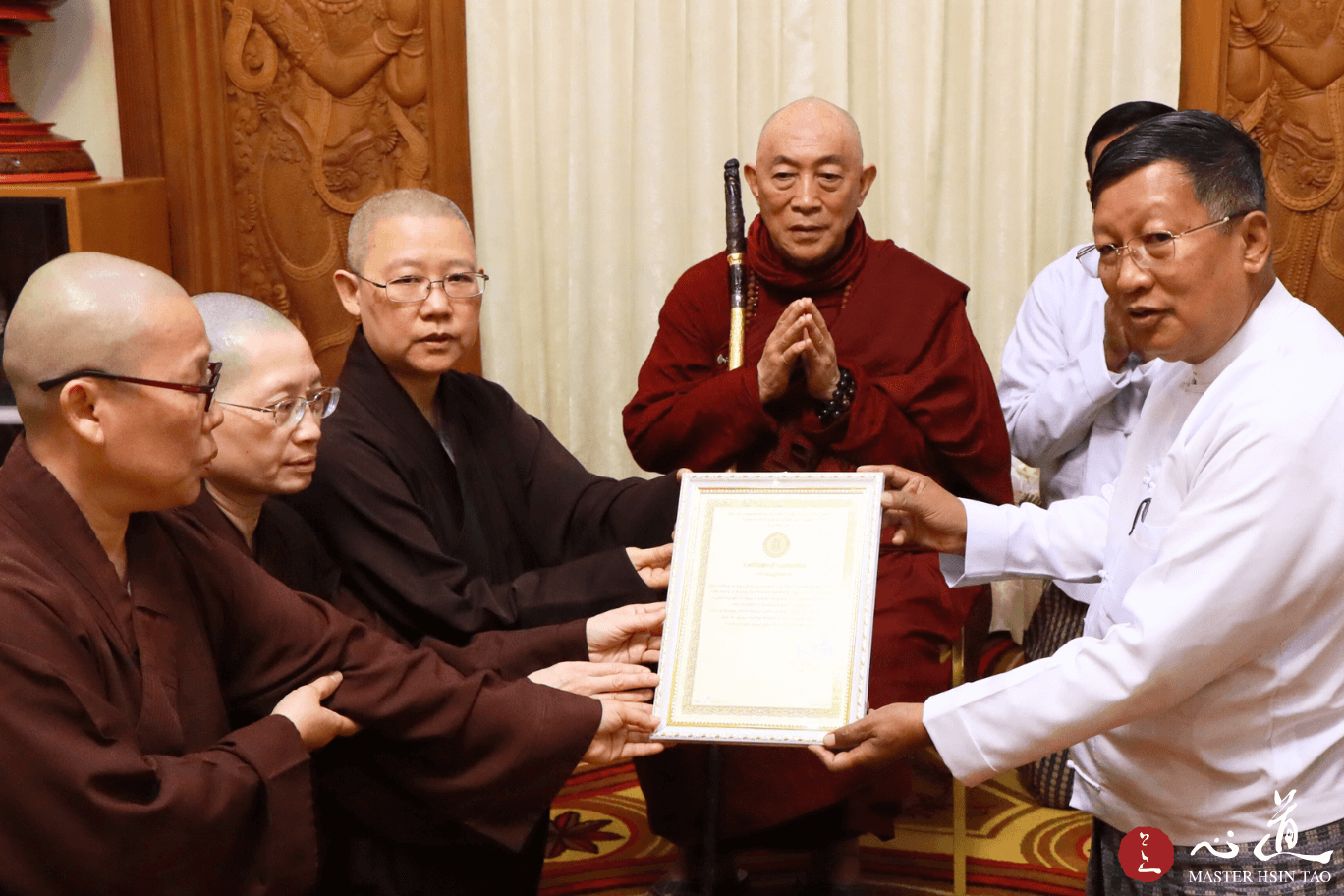 On March 3, 2026, we visited the Ministry of Religious Affairs and Culture of Myanmar to pay a courtesy call on the Minister and to express our gratitude for the efforts undertaken in preparation for this grand award ceremony. Myanmar is a Buddhist country, and the Ministry of Religious Affairs and Culture takes a position of great significance within the nation. All matters related to the Buddhist sangha are assisted and coordinated by the ministry. Consequently, the department provides an organized framework for procedures pertaining to Buddhist ritual in Myanmar and enables the practice of Buddhism to be integrated into everyday life.
Through this award ceremony, we were able to witness what it truly means to be a Buddhist nation: the entire process is conducted in accordance with established Buddhist ritual procedures, carried out in a clear, systematic, and well-ordered manner. In this way, the people are able to learn clearly how to conduct themselves as Buddhists. Thus, Myanmar may also be regarded as a leader within the broader Buddhist community, guiding Buddhism along a path that supports the enduring and authentic presence of the Dharma. At the same time, it offers us an opportunity to learn how to enter into the systematic framework of Dharma practice and to undertake the study and practice of the Buddhadharma properly.
 Although the Year of the Fire Horse is not considered a particularly peaceful one, amid adverse conditions only virtues can serve as our true support. For those of us who follow the path of the Dharma, the most important principle is to refrain from committing any form of non-virtue, while diligently engaging in all virtuous deeds. Even more importantly, we should propagate virtuous activities so that others may also cultivate virtuous deeds and refrain from non-virtuous ones. This is the compassion we extend toward all sentient beings.
After learning and practicing the Buddhadharma, one should actively propagate virtue and refrain from non-virtuous actions. Among all forms of virtue, attaining buddhahood is the most supreme. Through practicing the Dharma and aspiring to buddhahood, we engender bodhicitta so that all beings may together realize enlightenment. Therefore, in body, speech, and mind we should cultivate virtuous conduct: with speech we should refrain from saying harmful speech; with the body we should abstain from killing, stealing, and sexual misconduct; and with the mind we should avoid harming others and instead maintain virtuous intentions. This is also the best way to protect oneself.
 In addition, we uphold what may be called the “Five Excellences”: maintaining a positive, proactive, optimistic, and loving. Without love and compassion, life itself loses its brilliance of joy. Finally, we should cultivate vows and aspirations toward our nation, our society, and the Buddha. We should aspire for all beings to learn and practice the Dharma, while also understanding the importance of giving back to our country and society. Only when we hold such aspirations for the well-being of society and the nation can a wholesome environment be established.
Therefore, in our daily lives we should cultivate harmony among people and harmony in our undertakings, and also harmony with the Earth. If the Earth were to be completely destroyed, humanity itself would no longer be able to survive. For this reason, we must treat the environment and all forms of life with compassion. We should recognize that the ecological world exists in partnership with us—we coexist and flourish for common good. All forms of life possess their own vitality, and thus we should adopt a perspective that respects the entirety of life rather than one centered solely on human interests. Our relationship with the natural world should not be one of exploitation, but one grounded in respect for the entire ecosystem.
 At present, the world is in a state of chaos. Climate change has become a serious global issue, and disasters such as floods and storms occur with increasing frequency. Only by restoring ecological balance can the climate and environment improve. This is also one of the missions of the University for Life and Peace in Myanmar: to work collectively to discover methods for ecological restoration. We therefore invite everyone to participate in actions that express love for the Earth and a commitment to peace, so that together we may foster ecological harmony and bring peace to our planet.
Related
-

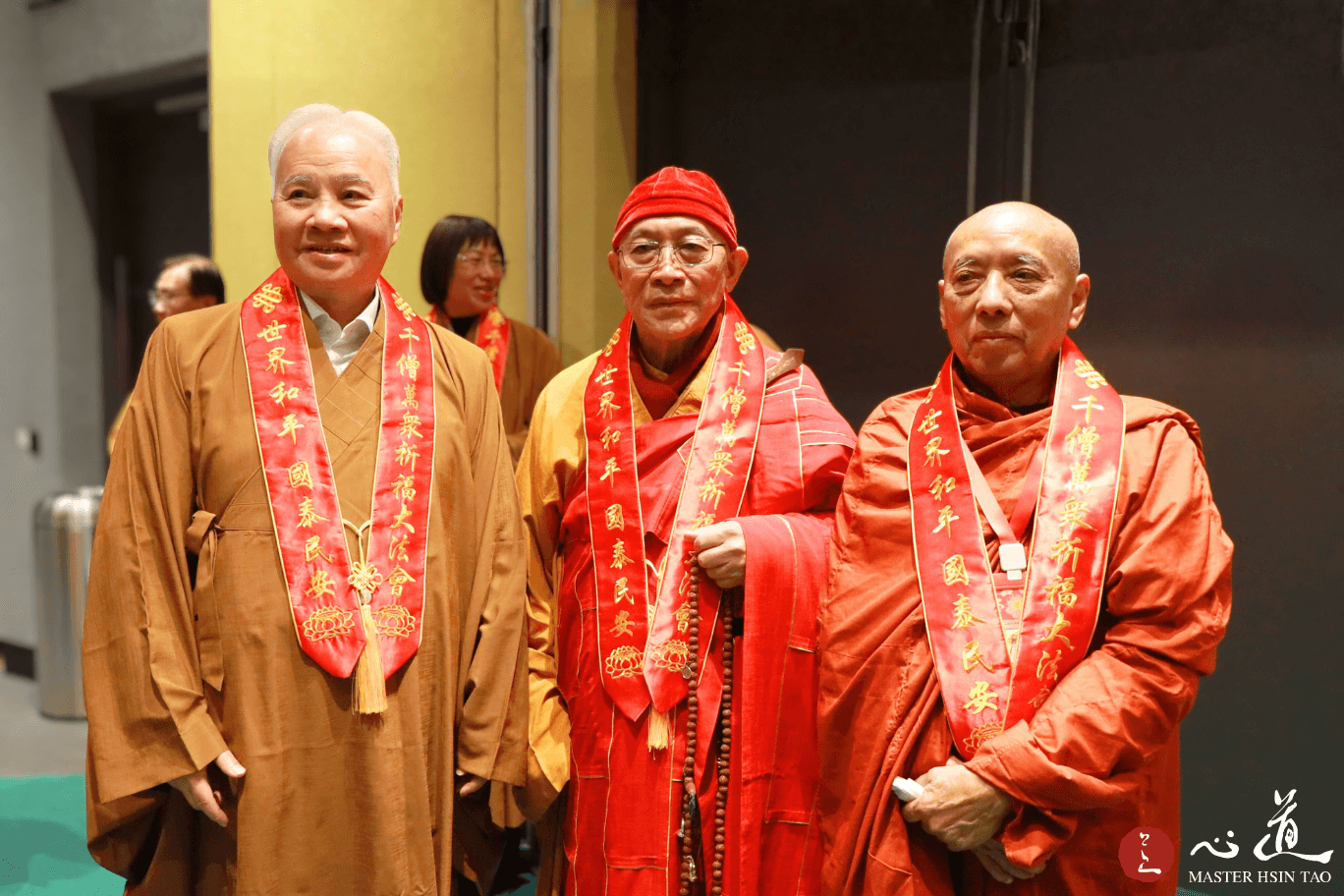
The Grand Assembly of Aspiration Prayer: Benefiting Sentient Beings through the Three Jewels
-

Interfaith Dialogue at the Vatican: Fostering Religious Friendship through Love and Action
-
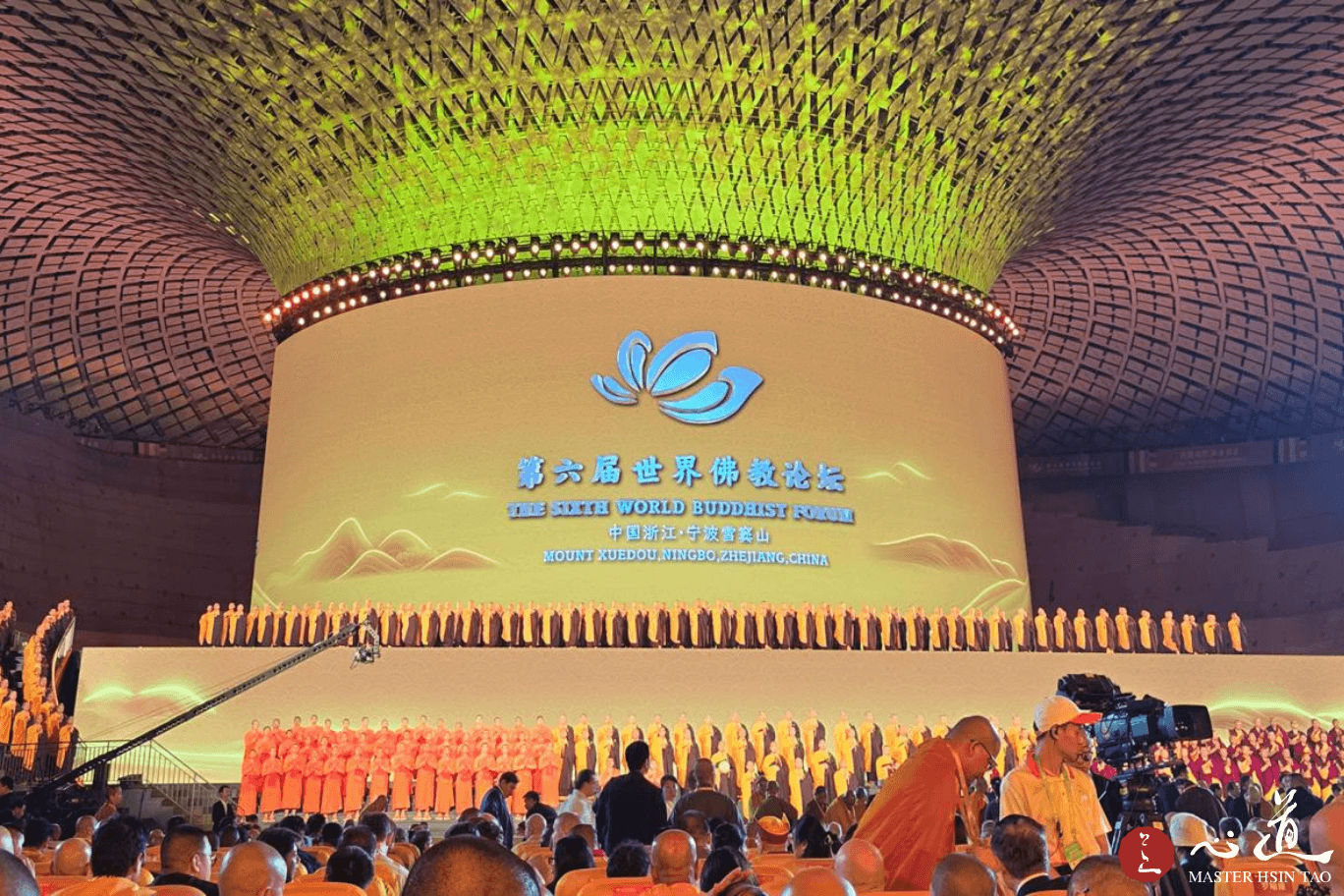
2024 World Buddhist Forum—Returning to Spirituality for the Common Good and Safeguarding Shared Ecological Flourishing