








2026.05.08
The Three Methods for Eliminating Afflictions (I)
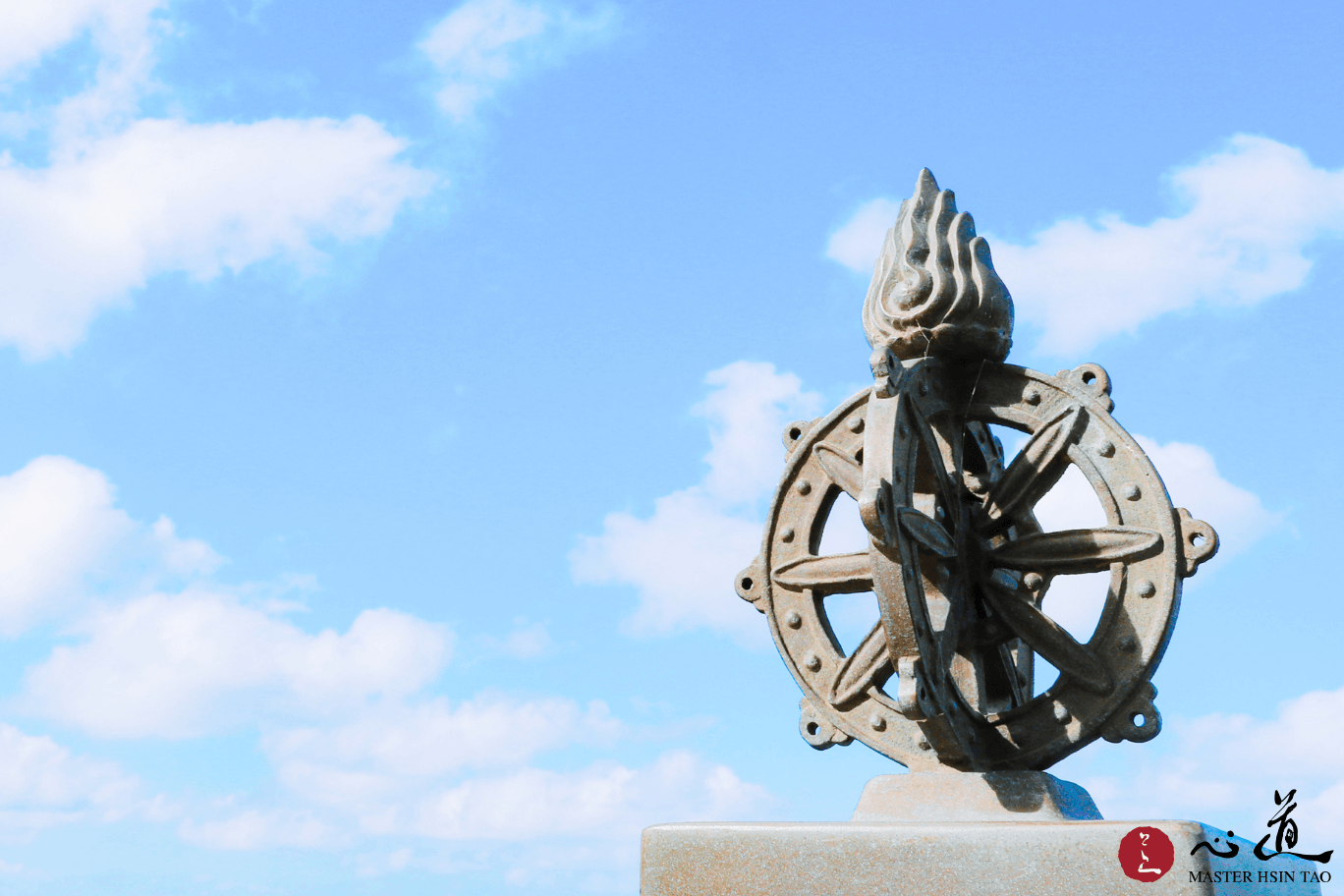 Buddhadharma teaches both wisdom and compassion. Wisdom is that which eliminates afflictions. In the course of our daily lives, we must continuously work to eradicate afflictions at every moment and in every circumstance; only then can the mind live free from attachment and obstruction. How, then, are afflictions to be eradicated?
The first method is to allow afflictions to pass through and away. It is like a drainage channel: if our minds are filled with concerns over money, worldly affairs, and the various impurities that clog the flow of water, the channel becomes obstructed. If we wish for the waterway to flow freely, we must cease amassing these afflictions. When they are allowed to pass unobstructed, we become bodhisattvas who are free from attachment, obstructions, and at ease. Thus, the first lesson that the study and practice of Buddhadharma teaches us is the importance of letting go promptly—letting go of afflictions rather than clinging tightly to them.
There is a story illustrating this point. One day, a master and his disciple were walking in the mountains. Suddenly, the master began clinging tightly to a tree as though possessed, crying out, “Disciple! Disciple! Come save me quickly!” The disciple replied, “Master, what is there for me to save you from?” The master said, “Hurry and pull me away! I am suffering greatly from holding onto this tree.” The disciple exerted all his strength in attempting to pull him free, but to no avail. Finally, the master simply released his own hands from the tree, without needing any assistance, and said, “You foolish disciple—if I simply let go, would that not solve the problem?” The master then explained that afflictions are precisely like embracing a tree: we ourselves are the ones grasping onto them. The moment we release our grip, we are no longer bound to the tree. Yet because we continually cling to our afflictions in this way, countless further afflictions arise. If only we would grant ourselves some leniency and release ourselves, would that not suffice? Therefore, the first essential practice is to learn how to relinquish afflictions.
The second method is to understand the principle of karmic cause and effect. Karmic causality does not pertain merely to a single lifetime. Our present life itself is the converging result of causes and conditions accumulated over many previous lives, now manifesting in this existence. Thus, all the favorable and unfavorable outcomes we encounter in this life are harvests from the karmic seeds already planted in former lives, which have now ripened into fruition. Causes inevitably give rise to effects, and effects are the results we presently experience. The karmic results carried over from past lives have already manifested before us. For this reason, much of what occurs is already conditioned. One should therefore not cling so forcefully or insist so obstinately: to pursue what is not rightly ours while rejecting belongs to us, only generates suffering and distress. What is meant to come will come; what is meant to leave will leave . What we are meant to have should be cherished wholeheartedly, while what is not meant to remain should be let go with goodwill. This is the meaning of understanding the principle of karmic causality.
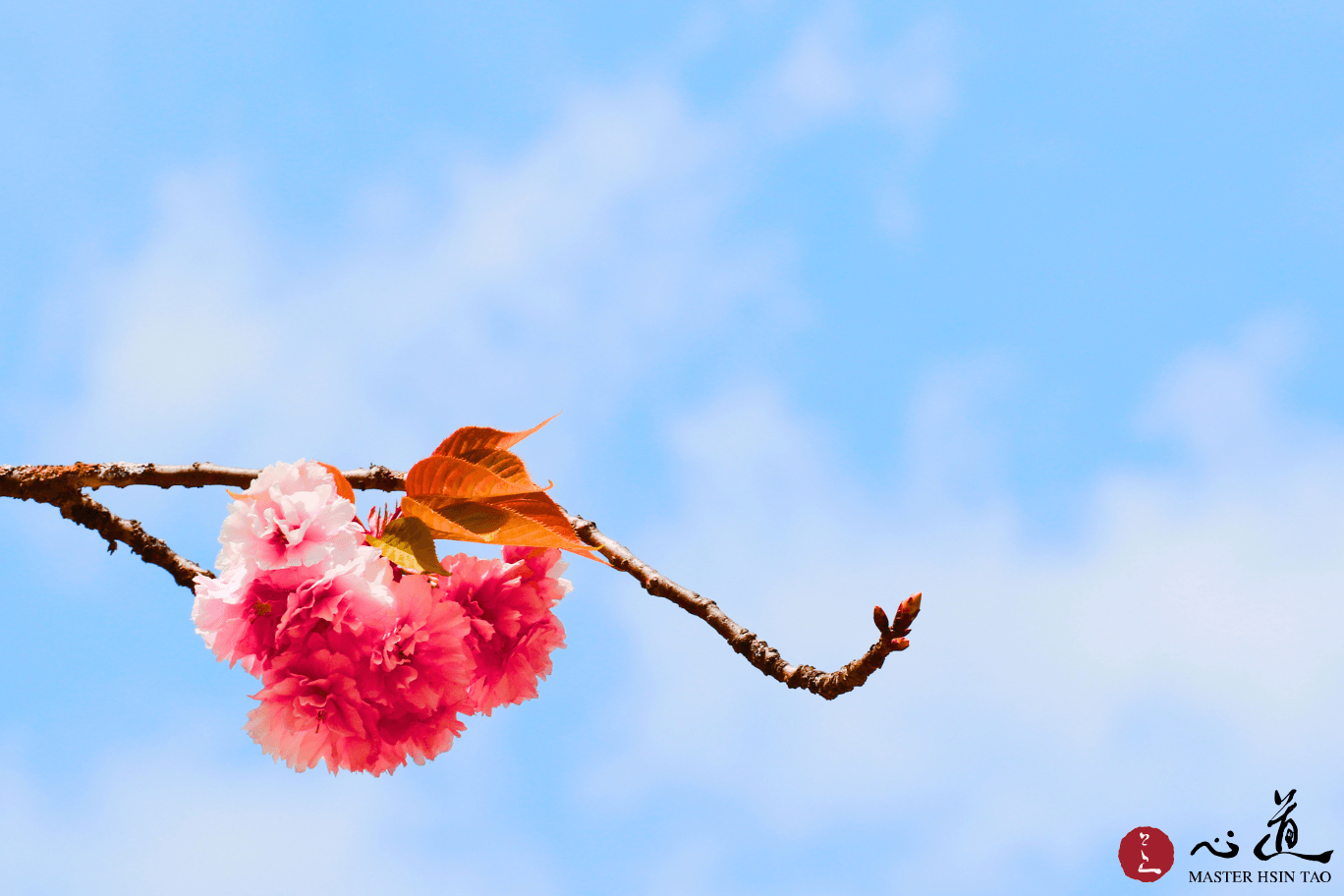 Those who truly understand the principle of karmic cause and effect also recognize the importance of planting new causes within present results. When fruit ripens, it contains seeds; once the seeds are obtained, they must immediately be planted again if there is to be another harvest in the following year. If no seeds are planted this year, there will be no future harvest, and the fruit will simply rot away unused. Thus, within every result, one must plant new causes. What we presently experience is itself the fruition of past causes. Within these present circumstances, we must plant wisdom and cultivate the field of merit. Life itself is such a field of merit, and therefore it must be cultivated diligently. The conditions and opportunities of our lives arise from the field of merit we ourselves have planted, while our personal refinement and moral character also constitute our Dharma practice. Therefore, the second essential principle is to understand cause and effect.