










2026.05.04
The Compass of the Dharma
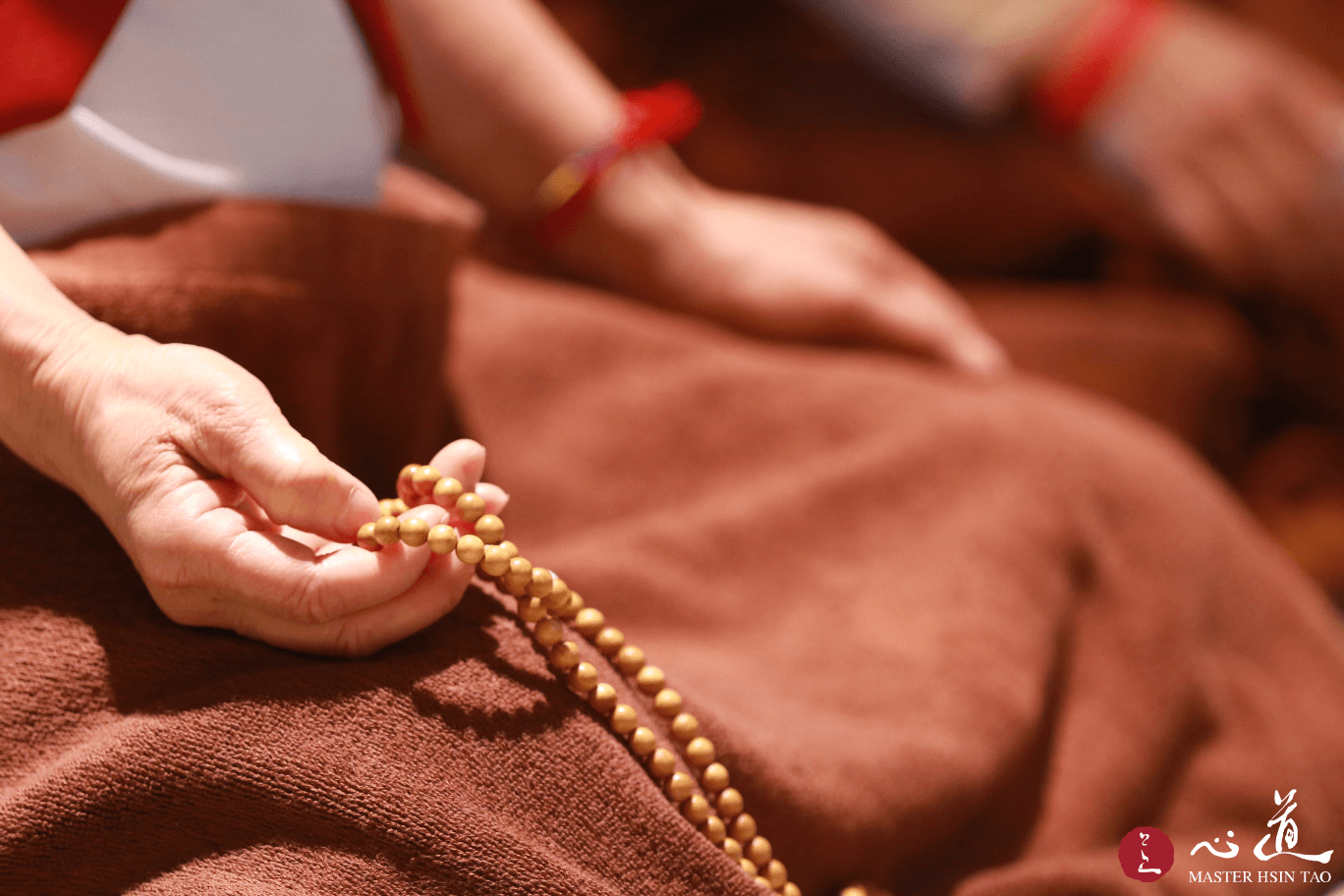 The recitation of the Great Compassion Mantra (Long Dharani) and the Diamond Sutra constitutes our daily practice; this in itself is a form of Dharma practice. Each day, we must apply ourselves with diligence. Otherwise, the mind easily drifts into worldly concerns, and when it does, afflictions arise unceasingly. One may then lose any sense of where the joy of practicing the Dharma lies. If, at a later time, one attempts to begin anew, the original aspiration for practice may no longer be present. For those who engage in the study and practice of the Dharma, once indolence sets in, it becomes exceedingly difficult to turn back. Faith does not readily arise again; it must be painstakingly cultivated over a long period before it reemerges. Although one may recognize how beneficial one’s past practice once was, restoring that earlier state proves difficult. Therefore, one must never think, “I will take a break from exerting my efforts for a while and resume later.” Once indolence takes hold, it tends to persist, leading to a gradual loss of insight into the Dharma and a diminishing sense of affinity with it. Eventually, the joy once found in practice becomes inaccessible, and one falls back into suffering and affliction.
Thus, we begin with the recitation of scriptures and the chanting of mantras, and then proceed to Chan practice, which is a direct, one-to-one engagement; likewise, mantra recitation and the recollection of the Buddha are forms of direct encounter—an engagement of oneself with oneself. Why is such a mode of engagement necessary? It is like an image reflected in water: when we look into the water, our reflection appears; if we do not look, the reflection does not arise, and we cannot see ourselves. When the water is perfectly clear, the image becomes evident. In the same way, reciting scriptures and chanting mantras allow one’s own “image” to gradually be reflected through the mantra or the text.
 Just as a reflection appears in water, through meditation we come to discover ourselves. Human existence, after all, is like an ocean of suffering characterized by living and dying. From where does samsara arise? It emerges from the flow of our conceptions. Our conceptions are like the movement of water; this very movement constitutes samsara. Wherever thought flows, there samsara unfolds. Therefore, the right understanding, or the right view, is of utmost importance. Right understanding functions like a compass: when it points in the correct direction, it continually guides us toward the path we ought to follow, preventing us from wandering aimlessly. The Buddhadharma is precisely such a compass, leading us to the place we are meant to reach—the state of awakening. This is what is meant by right mindfulness.