






2026.05.15
The Three Methods for Eliminating Afflictions (II)
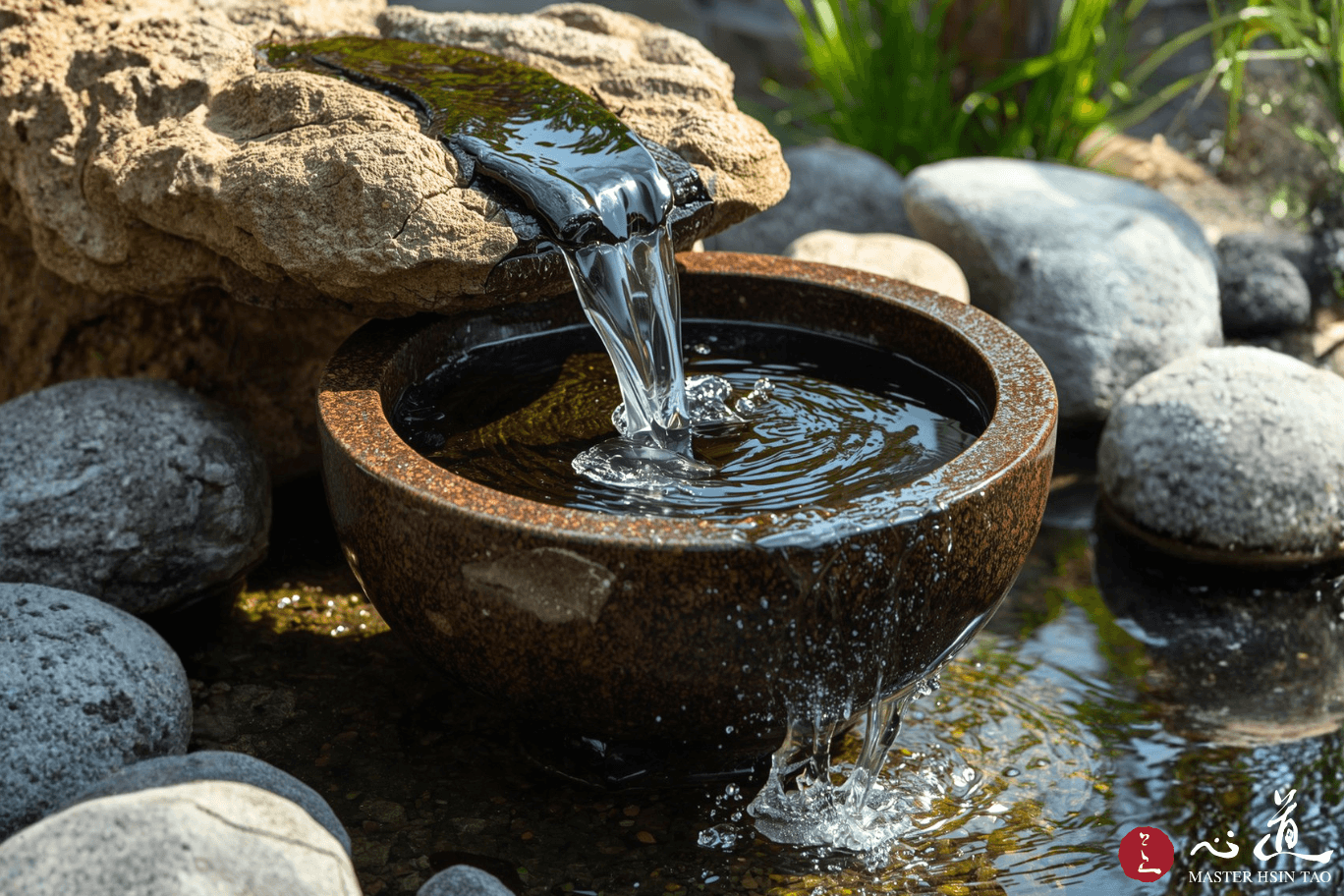 Third, one must understand the principle of emptiness. If a garbage bin is already filled with refuse, how can anything more be placed into it? It cannot. Only when it is empty can more be put inside. Buddhism teaches us to cast our afflictions into emptiness. But how should this “emptiness” be understood? Emptiness means that nothing whatsoever can be permanently retained; all things inevitably dissipate and go away. Nothing can last forever. Whatever is subject to dissolution is called “emptiness.”
All phenomena in the world are impermanent; not a single thing can remain unchanged for long. This is what is meant by impermanence. We must be mindful that all worldly phenomena are impermanent. To cling to such impermanent things is like trying to hold water in one’s hands: one may scoop it up for a moment, yet with the slightest carelessness it slips away. In the same way, everything we obtain in this world resembles water held in our palms. This is what is meant by emptiness.
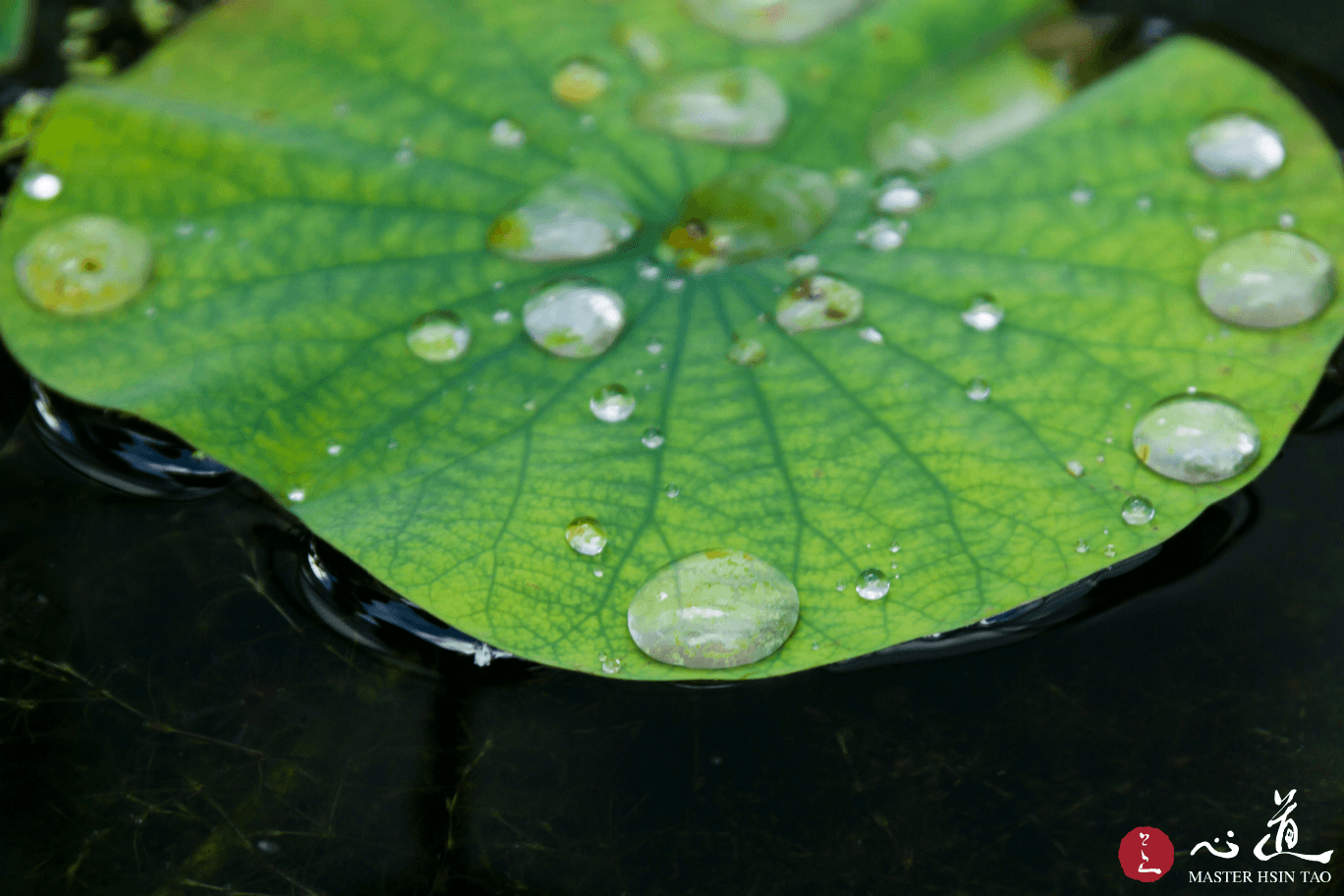 Because all phenomena are impermanent, they are ultimately illusory; because they are illusory, transient, and destined to dissipate, we say that they are of emptiness. Thus, all afflictions are merely illusory appearances—temporary and lacking inherent existence. They are emptiness by nature. If we constantly contemplate in this way, our afflictions will gradually begin to loosen their hold on us. We may even wonder, “Why do afflictions no longer wish to befriend me?” When afflictions no longer accompany us, we naturally abide instead in purity, ease, and liberation. Yet this requires practice. Genuine practice is not accomplished merely through words. One practices once, twice, three times, gradually and continuously; over time, afflictions naturally cease to rise.
Therefore, Buddhism provides us with three methods of practice. The first is to empty out afflictions through the contemplation of impermanence. Since all things are impermanent, there is no need to cling to them. One casts afflictions into the understanding of emptiness, recognizing that all will come into dissolution; thus, the first method is to prevent afflictions from amassing. The second is to face the principle of karmic causality directly. Afflictions themselves arise through causality, and karmic causality must be borne and accepted. Therefore, we must take responsibility for our own karmic causes and effects rather than avoid them. If we continually seek escape, afflictions will only proliferate; if we confront and resolve them directly, they will quickly cease.
 You should remember these three treasures that I have introduced to you and apply them in daily life. If you cannot remember even one of them, it might be an indicator of just how deeply afflicted your state of mind is.
“Life itself is practice, and life itself is a field of merit.” This is the cultivation of both merit and wisdom together. The Buddha is the “Supreme bipeds perfected in both merit and wisdom,” and this is likewise what we ourselves should aspire to become. What is meant by “wisdom” is precisely the three methods discussed above: first, relinquishing afflictions; second, understanding the working of karmic causality; and third, understanding how to dissolve afflictions through emptiness. This is none other than wisdom.