








2026.03.02
Abandon Non-Virtue, Cultivate Virtue: Practicing the Dharma and Flourishing Together
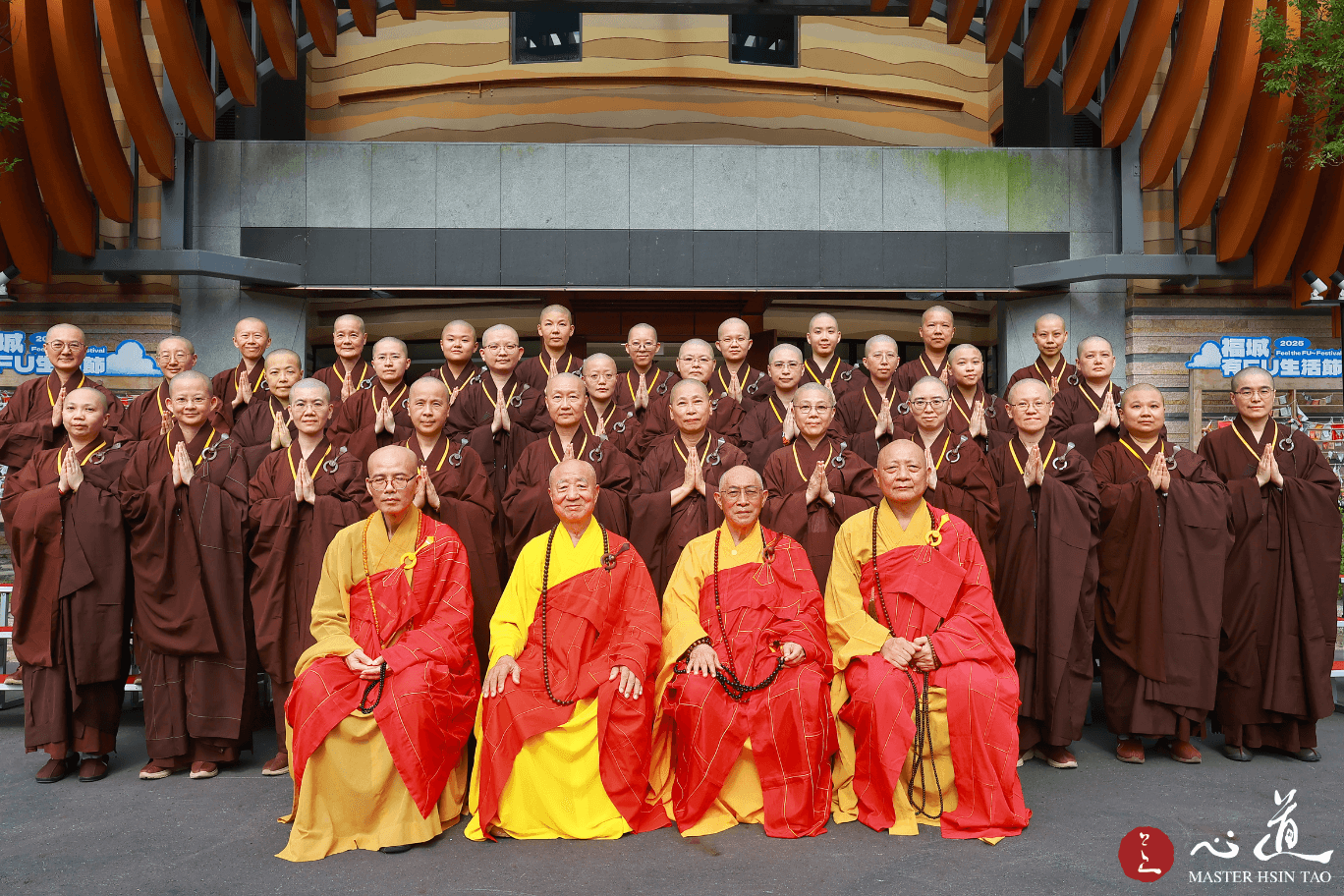
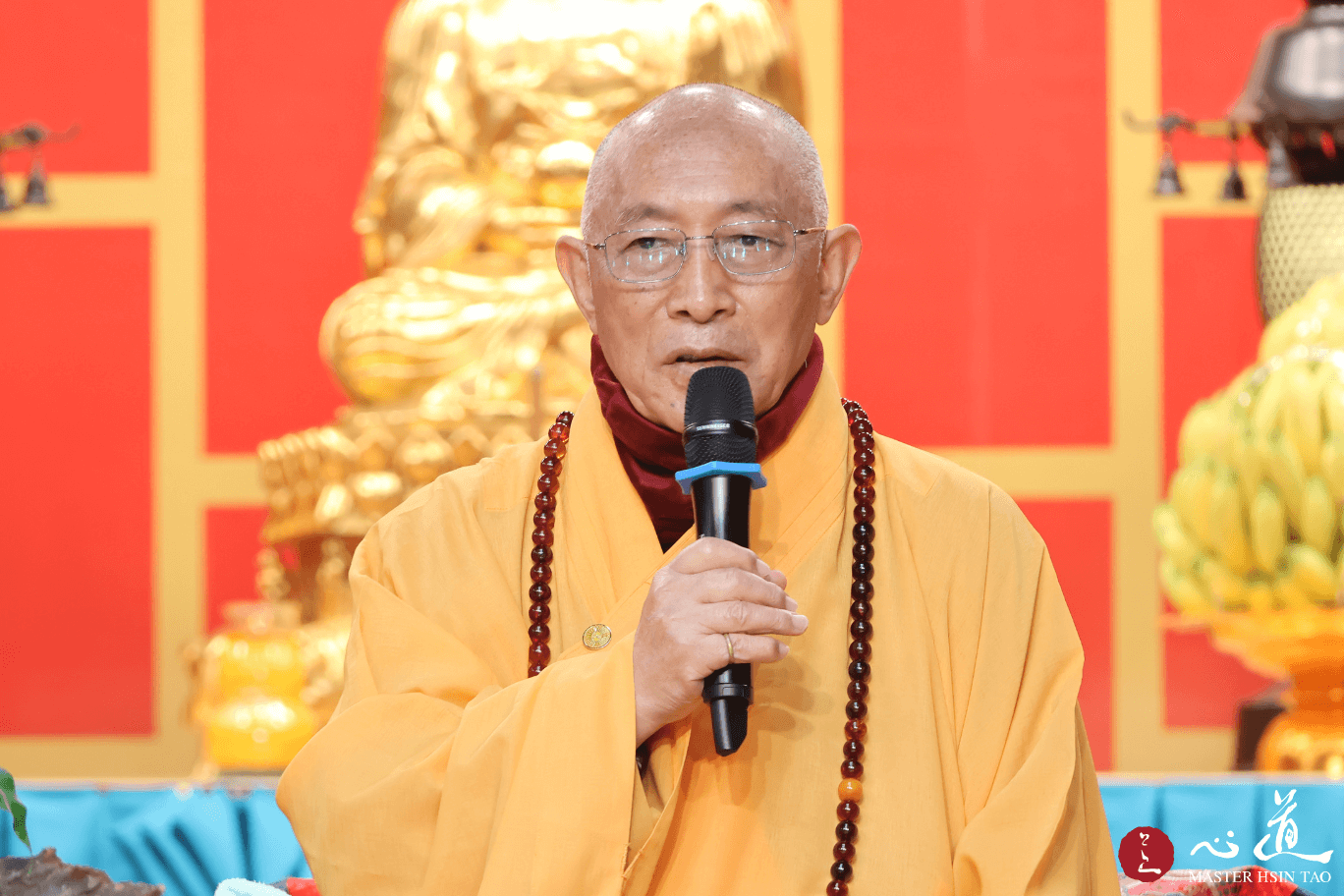
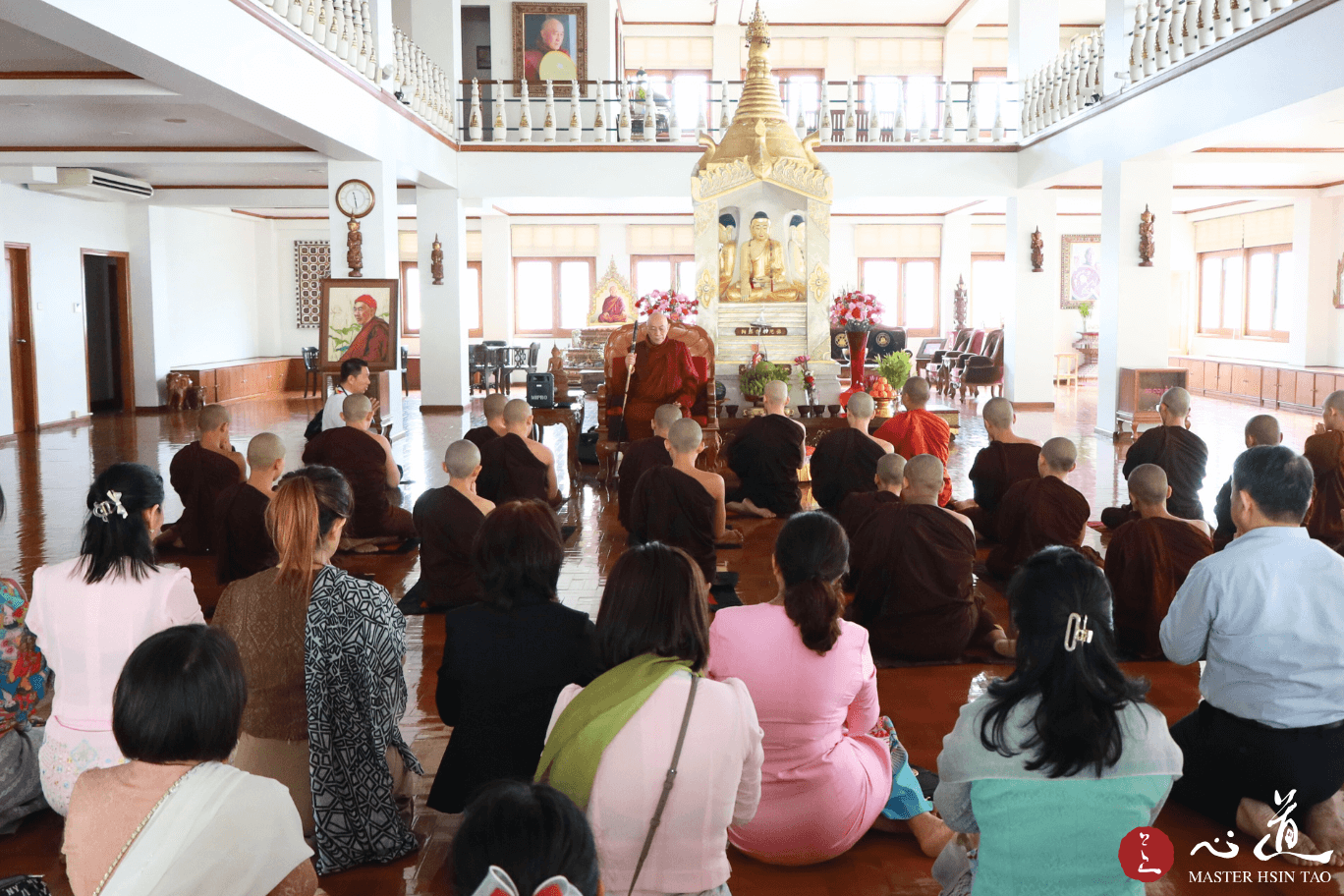
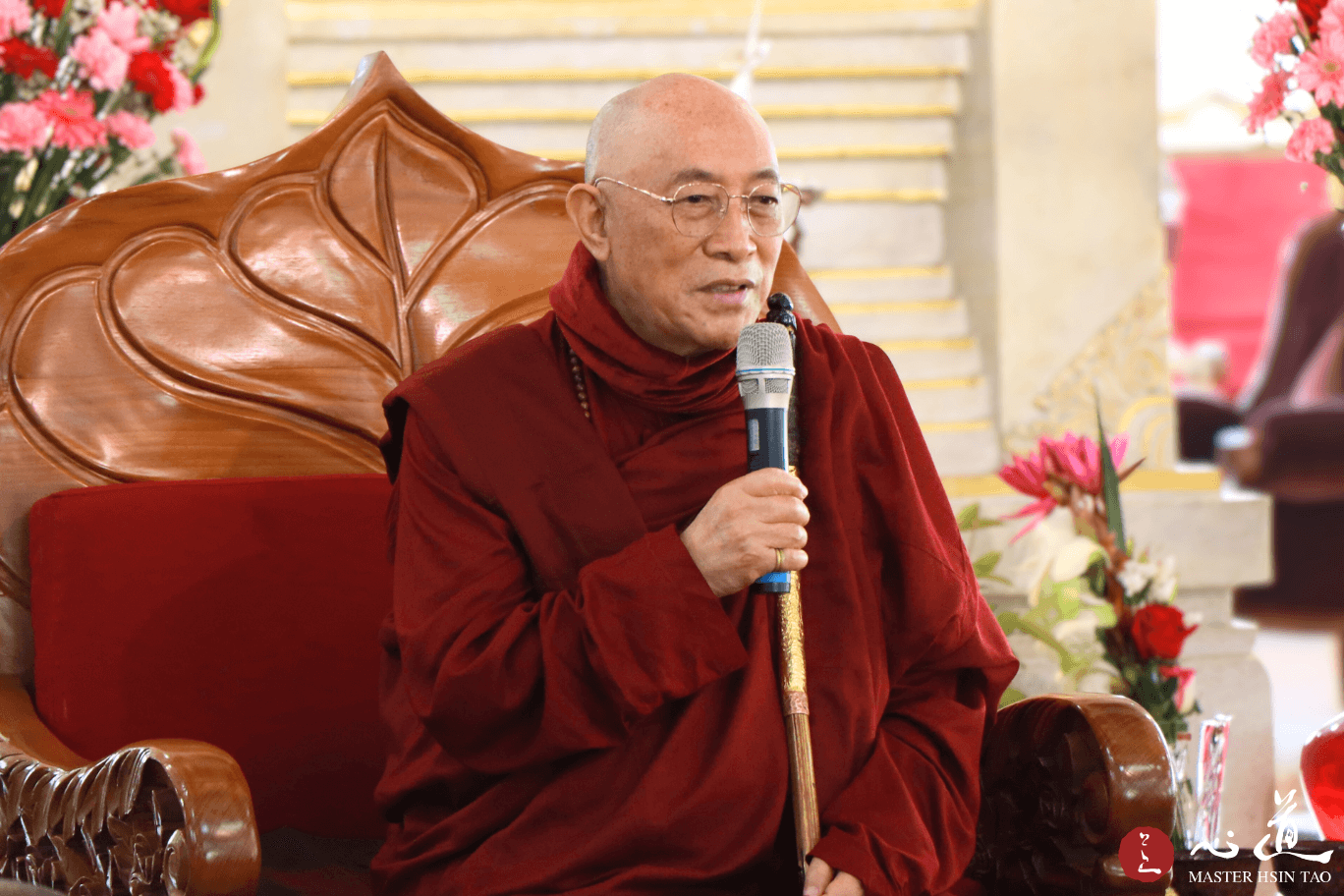 On February 24, 2026, after an interval of three years, we once again visited in Myanmar. Seeing the monks, shramaneras, and lay devotees whom we had not seen for a long time brought us great joy. In recent years, the Myanmar Meditation Center has also guided many Chinese disciples to undertake study and practice; seeing their diligence has been a great reassurance.
To study and practice the Buddhadharma is a profoundly fortunate undertaking. This world abounds in greed, aversion, and ignorance—each of which is a source of suffering. All too often, without even realizing it, we become trapped in these afflictions and thus find ourselves unable to transcend suffering and attain happiness. Greed, aversion, and ignorance entangle us in our lives. Through the study and practice of the Dharma, however, we are able to disentangle these knots. To be free from greed, aversion, and ignorance is a state of purity; when the mind is pure, we are able to extend and cultivate manifold virtuous deeds. In a chaotic world filled with uncertainty, there is little that we can firmly grasp; only merit can truly be relied upon. Thus, by performing good and virtuous deeds, we are able to safeguard and give meaningful direction to our lives.
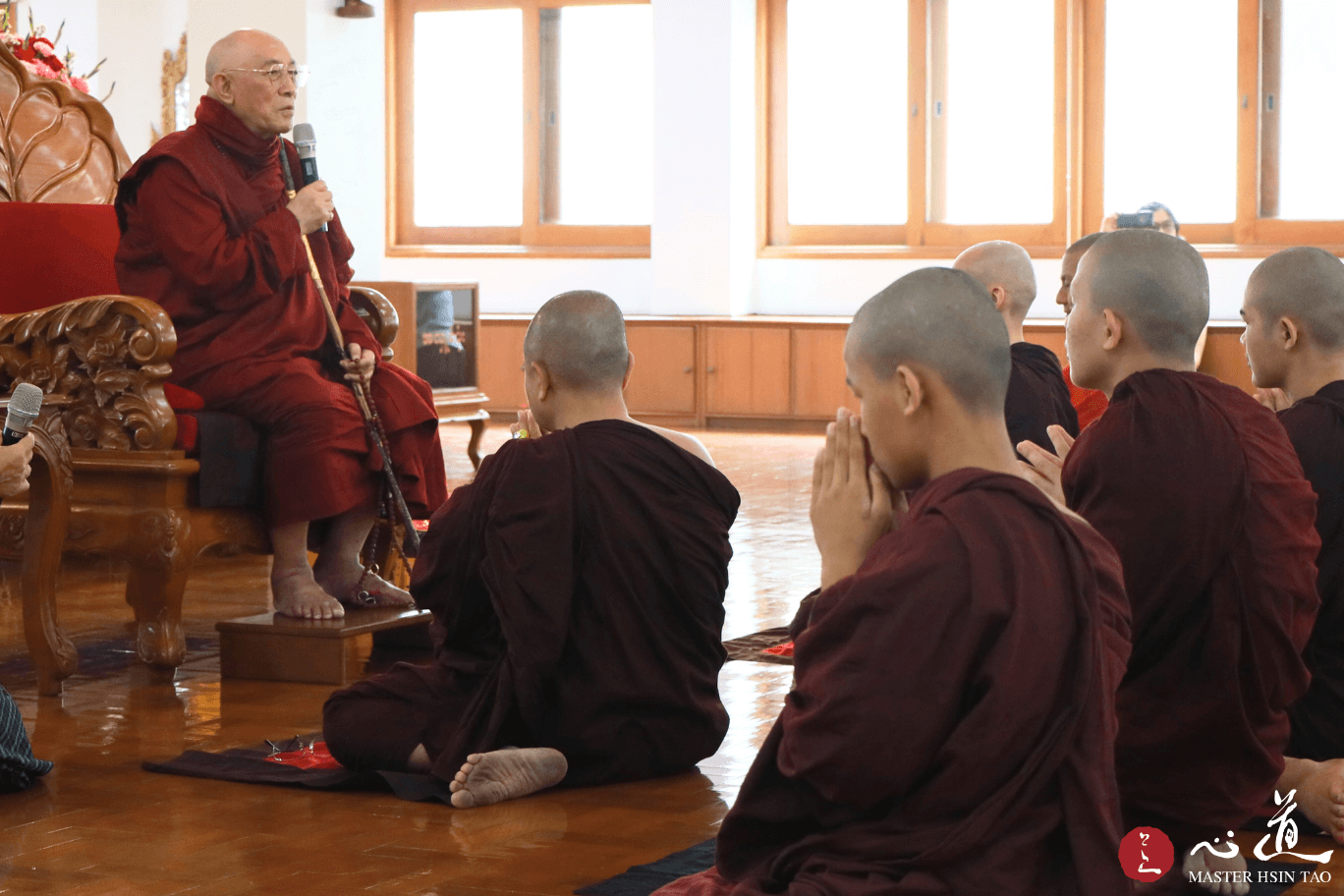 Today, those of us fortunate enough to have assumed monasticism as fully-ordained monks and shramaneras have become disciples of the Buddha, living a life of pure conduct. As such, we also serve as teachers of both humans and devas. It is therefore incumbent upon us to transmit the Buddhadharma so that others may be freed from suffering and guided onto the right path. If we fail to uphold and embody the Dharma properly, we fail in our responsibility toward those disciples who have not renounced the household life. Consequently, we must communicate the very essence of the Buddhadharma to lay practitioners in a manner they can receive, understand, and put into practice, so that through the Dharma they may attain the ultimate happiness of liberation from suffering.
Our lay practitioners have likewise come here with admirable diligence to learn meditation. The very opportunity to encounter the Buddhadharma signifies the gradual growth of wisdom and the emergence of right mindfulness and right view as disciples of the Buddha. Nevertheless, three indispensable commitments are required of Dharma practitioners. First, one must refrain from non-virtue; a disciple of the Buddha must not engage in even the slightest unwholesome conduct. Second, one must cultivate virtue; no amount of wholesome action is excessive, whereas insufficiency is to be feared. Hence, the practices of abandoning non-virtue and cultivating virtue constitute the fundamental basis for Buddhist disciples.
 Third, one must engender bodhicitta. This is an undertaking oriented toward the common good: enabling all beings to be freed from suffering, to attain happiness, and ultimately to accomplish the path to buddhahood. This responsibility does not rest solely with monastics; it calls for the collective commitment of all. Together, we must prevent sentient beings from remaining lost in the ocean of suffering and instead guide them toward the right direction and methods for learning the Buddhadharma. The Dharma is precisely the path of benefiting others and freeing them from suffering so that they may attain happiness—this is the principle we must firmly uphold in our practice.
The Buddhadharma is exceedingly precious. If, upon encountering it, we fail to develop affinity and understanding, this would be a grave loss. We should therefore regard the Dharma as the supreme means of realizing the greatest benefit in life. In our relations with people, in our engagement with affairs, and in all circumstances, we must cultivate a virtuous intention; when the mind is virtuous, all things can be transformed for the better.
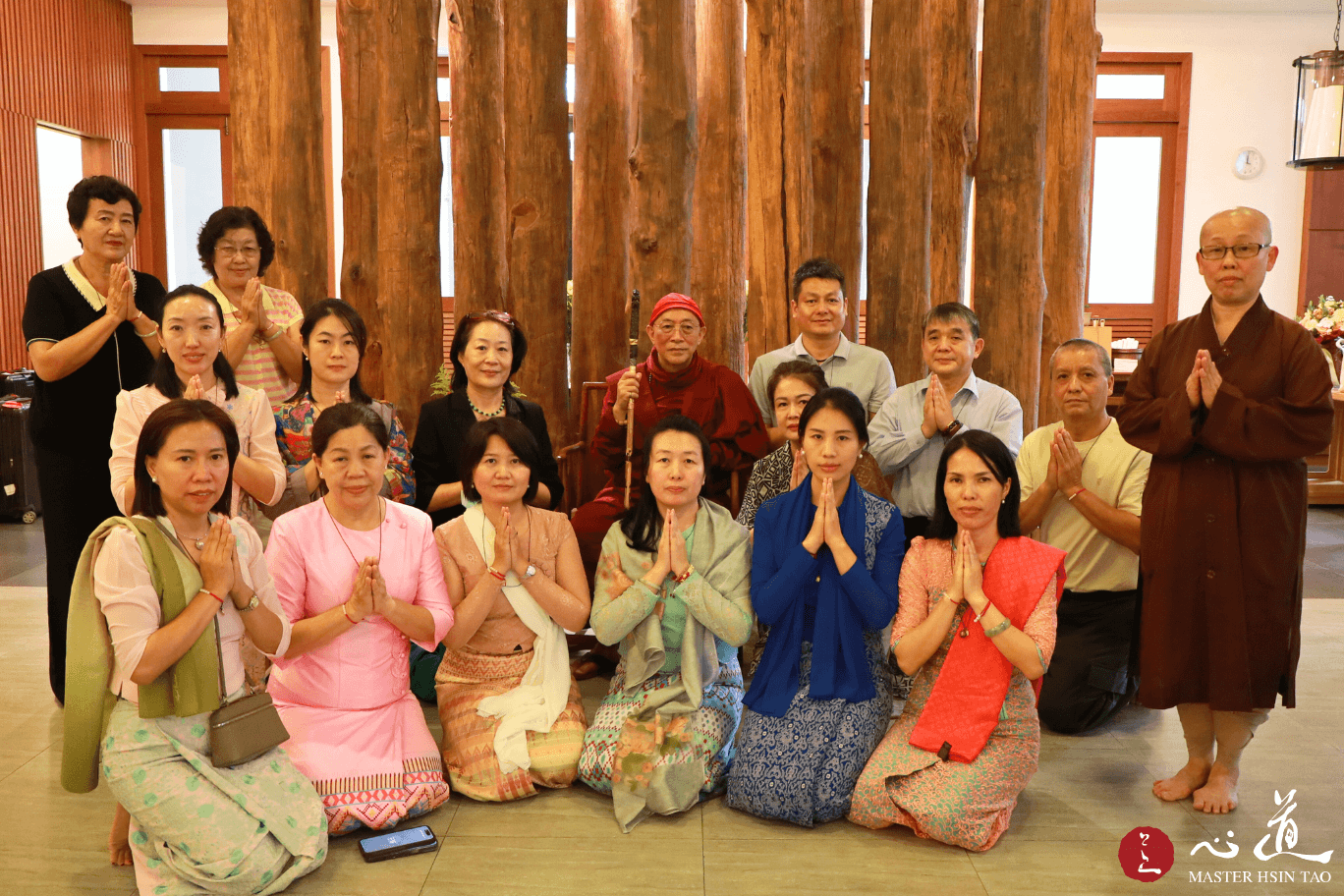 Therefore, starting with the abandonment of non-virtue and the cultivation of virtue, and extending to the shared aspiration for buddhahood for the sake of all, our lives will not be squandered. If everyone applies themselves earnestly to the study of Buddhism, great merit and blessings will surely ensue.