





2017.03.25
Ethical Discipline, Meditative Concentration, and Wisdom: Life, Home, and Ease
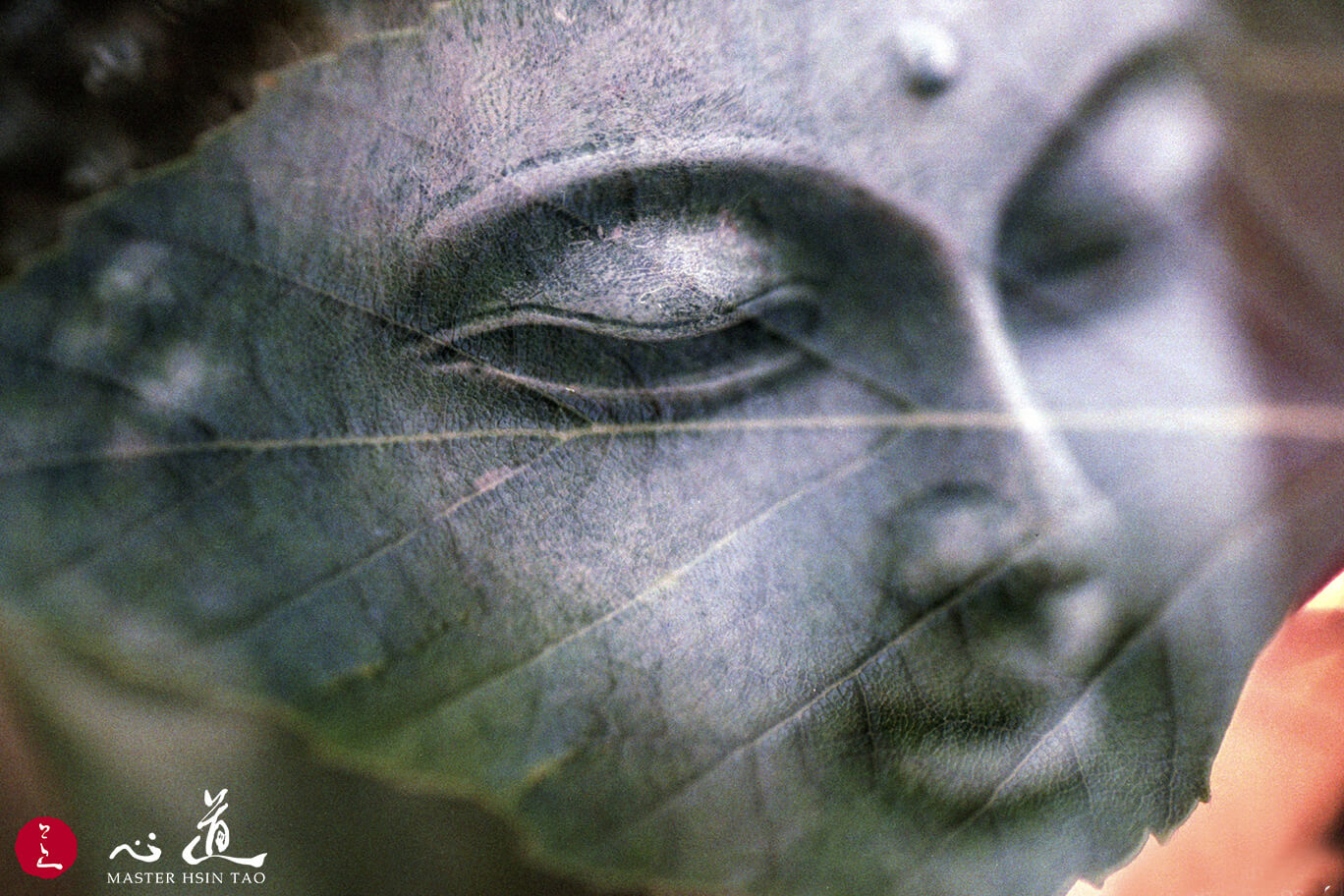 In the study and practice of the Dharma, one must engage in the three higher trainings: ethical discipline, meditative concentration, and wisdom. Ethical discipline entails in both the engendering of intention and the vigilant restraint of the mind. Since it is exceedingly difficult to enter directly into meditative concentration at the outset, one must begin with the foundation of ethical discipline.
Ethical Discipline
Ethical discipline serves as a training in meditative stability. It enables us to remain free from loss of mindlessness; within such a state, the training in concentration arises naturally. If one fails to uphold ethical discipline while attempting to cultivate Chan practice, it is like trying to catch monkeys—an exercise in futility. Even when contemporary practitioners enter a meditation hall and switch off their external devices—computers and cellphones—without the foundation of ethical discipline, the “internal devices” of the mind continue to operate incessantly during sitting meditation.
Meditative Concentration
With ethical discipline established, one proceeds to meditative concentration. Meditative concentration is likened to one’s “home”: when one is able to abide in meditative stability, the mind returns home; without such stability, one cannot return, and does not even know where home lies. Although meditative concentration can not be accomplished in a single day, one must nevertheless persist in sitting meditation. For monastics in particular, without meditation there is, in effect, no home.
Wisdom
What, then, is wisdom? Wisdom is the capacity to analyze, process, and discern all phenomena, transforming experience into a state of ease and freedom in lived experience. This is the luminosity of wisdom. Accordingly, one should study the scriptures extensively and consistently receive the instruction from qualified spiritual teachers.
In summary, the three higher trainings—ethical discipline, meditative concentration, and wisdom—constitute the path of Dharma practice. Wisdom brings freedom; Chan practice brings stability; and ethical discipline provides a principled structure to life, much like the laws of a state or the rules of a household. When these are properly upheld, they become a source of genuine well-being. At a deeper level, ethical discipline embodies the karmic law of causality governing conduct; Chan practice leads the mind to emptiness; and wisdom gives rise to the realization of selflessness in individuals and phenomena.
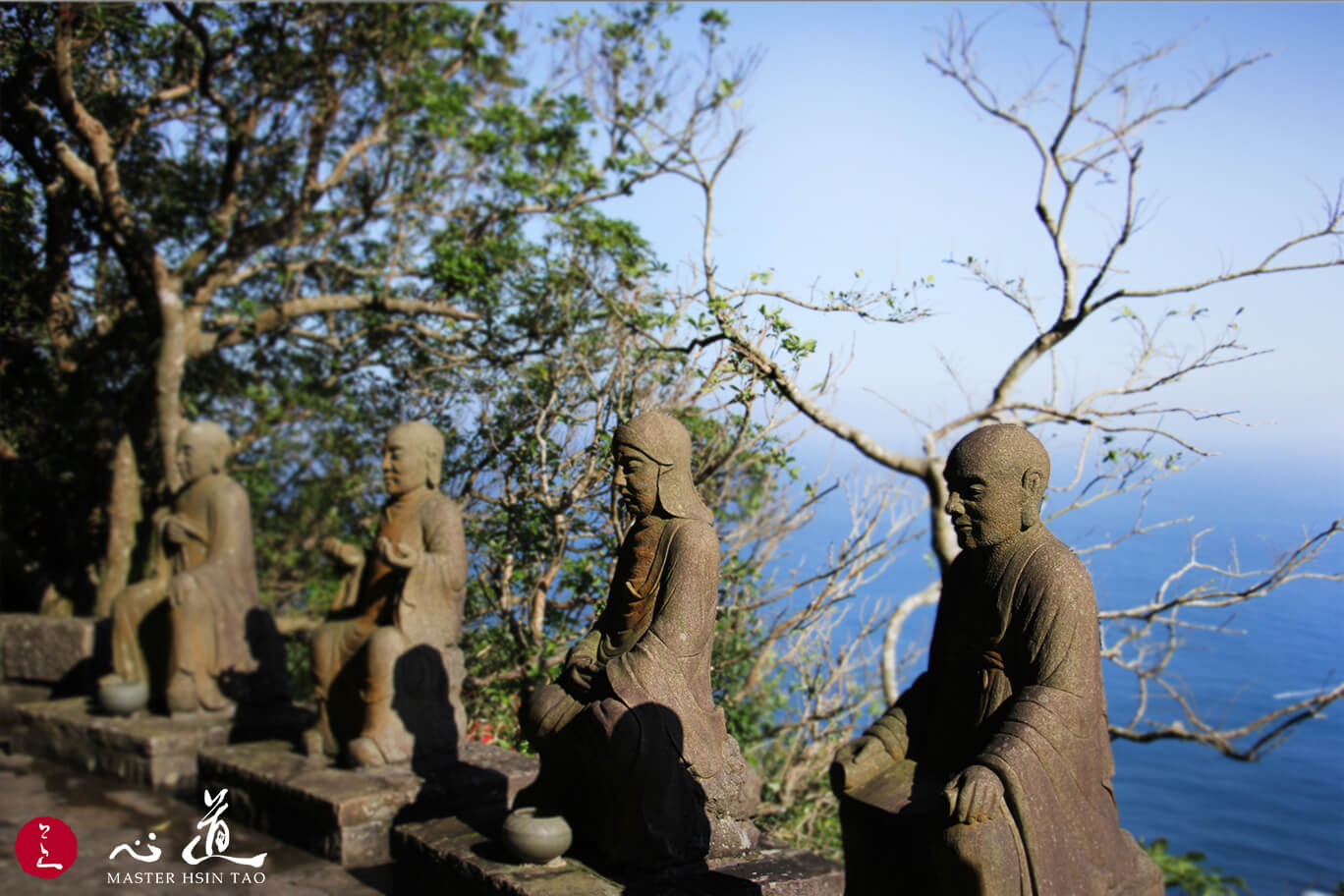 More than a thousand years ago, it was through the systematization and propagation of the Vinaya by the Master Daoxuan that the study and practice of precepts attained great strength in China. In the present Age of Degeneration, the need for ethical discipline is even more critical. Without it, the Buddhadharma would decline and perish: the monastic Sangha sustain through the pure practice of the Vinaya, and the true Dharma abides long in the world through the sustaining power of ethical discipline.