





2026.03.16
2026 Spring Term Monastic Retreat: The Mind Abides in Notionlessness, and Mental Activity is in Accord with Essencelessness
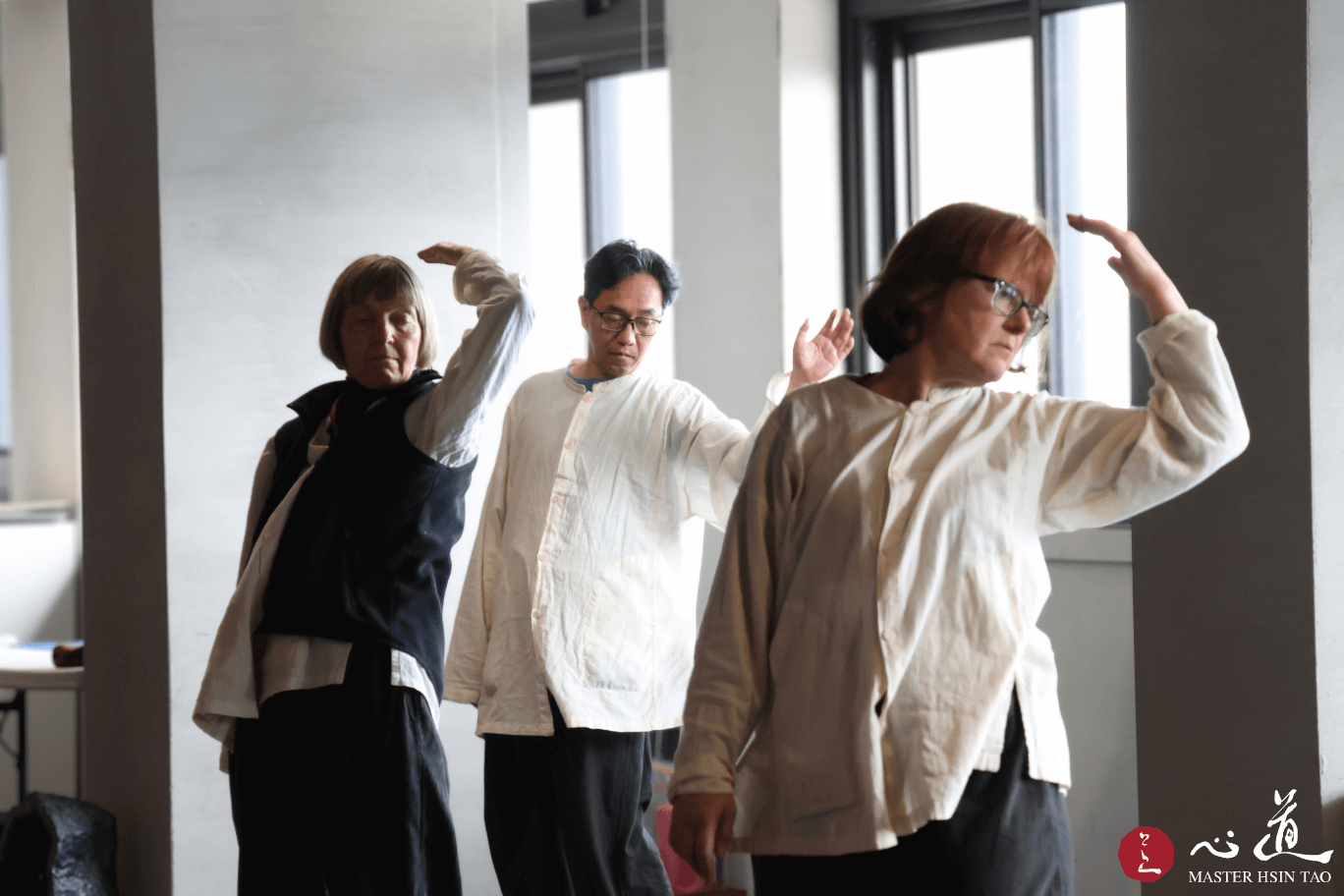
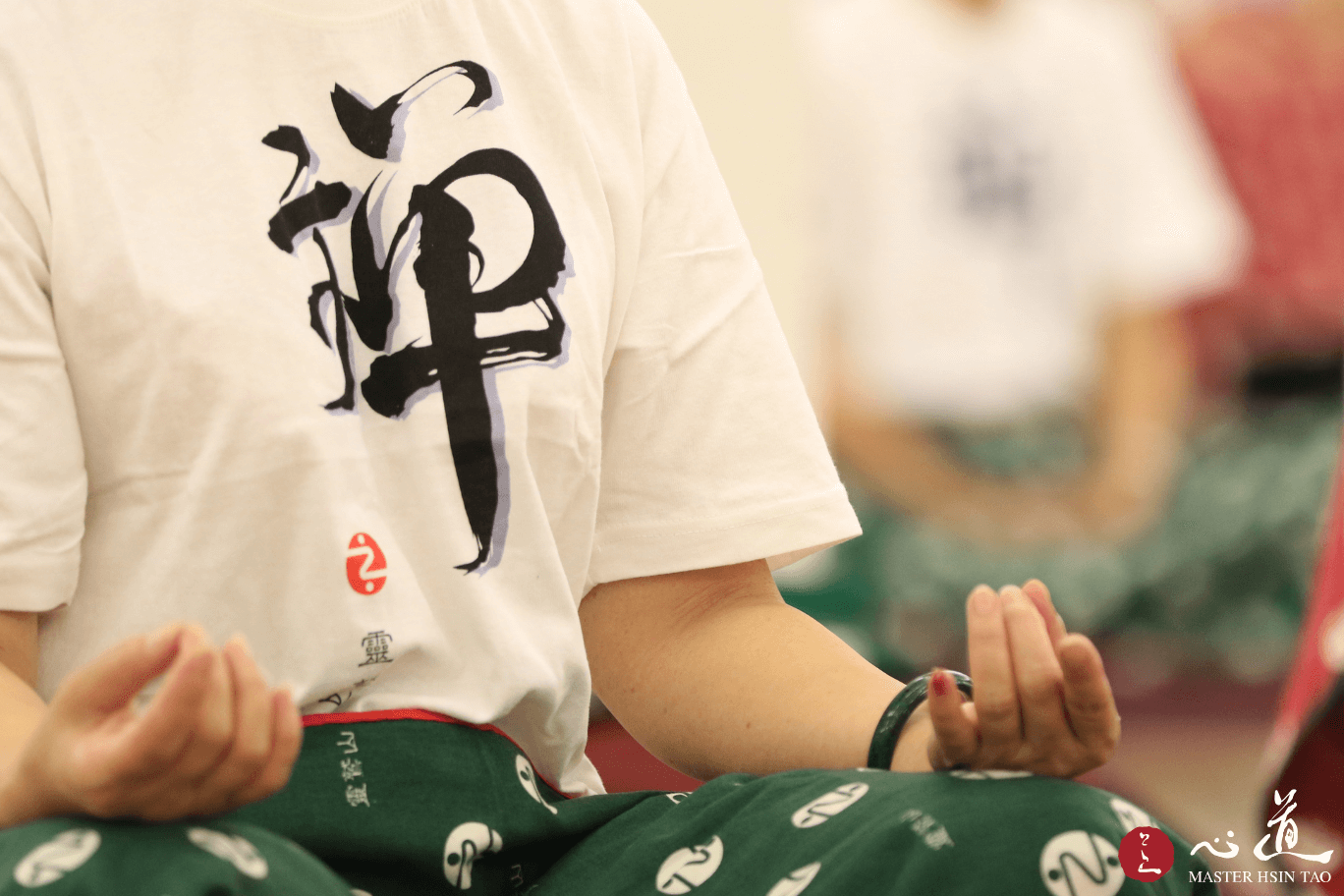
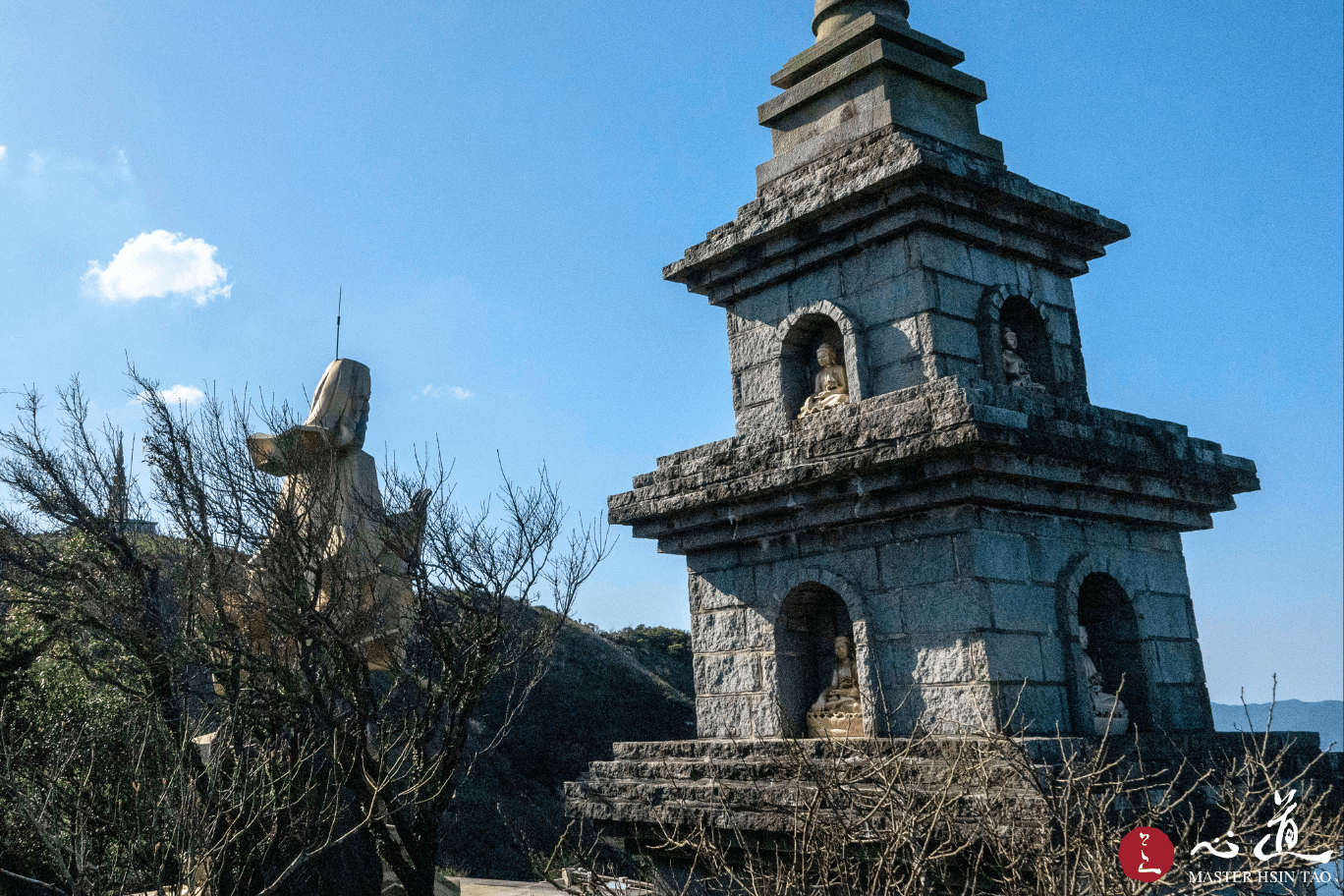
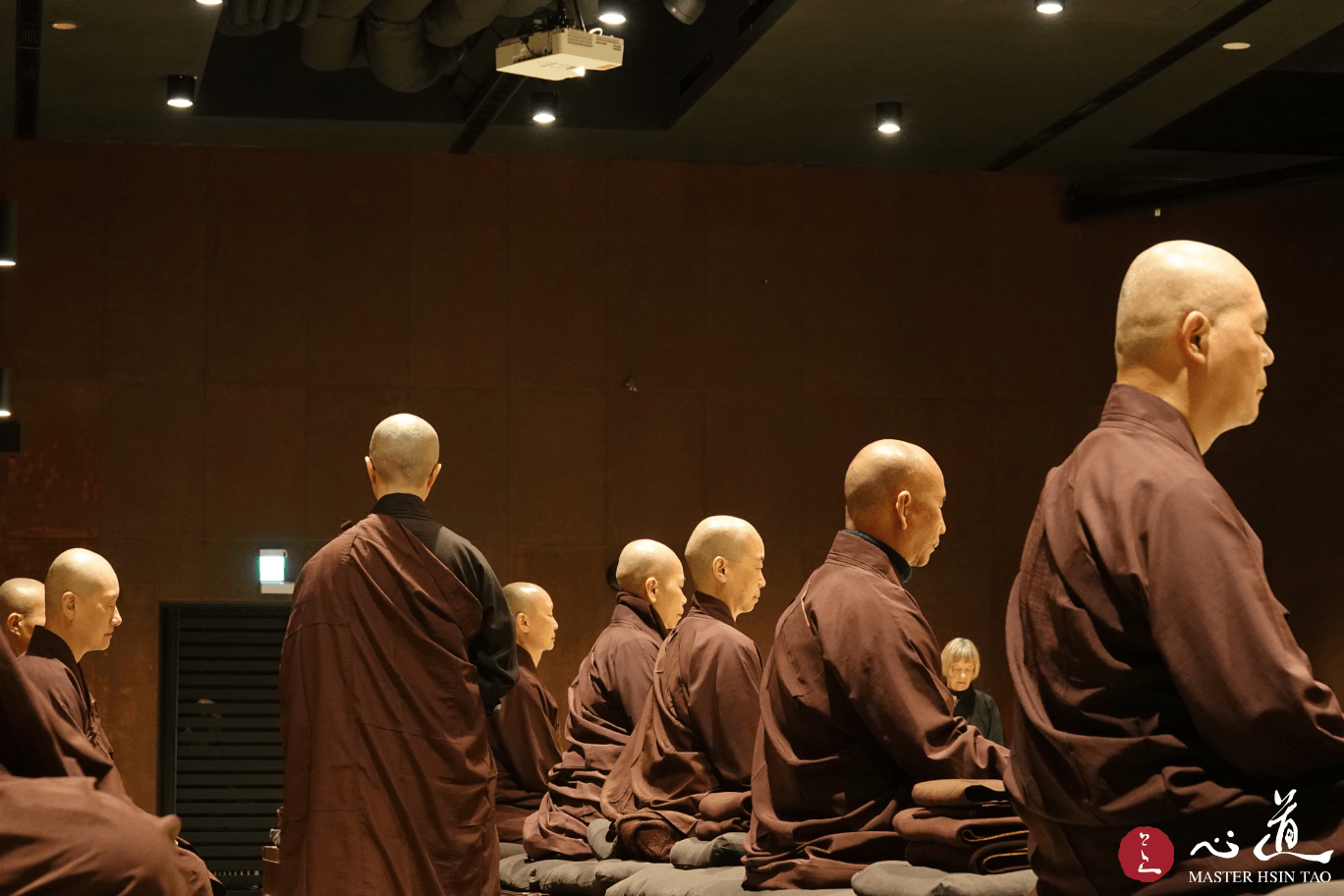 On March 11, 2026, our Spring Term Monastic Retreat had already completed its first week successfully. This year, as in previous years, disciples traveled from as far as Germany and Austria to gather at Ling Jiou Mountain and participate in the retreat together. In the practice of sitting meditation, one must first come to understand the mind. To return to the mind is precisely to engage in sitting meditation. But do we truly understand our own minds?
The Buddha teaches that the mind is of the truth of notionlessness, “the marvelous mind of Nirvana, the truth of notionlessness.” Our mind is unarising and unceasing, luminous and clear, without form nor physical existence—non-material and beyond all forms. This is what must be understood in the practice of sitting meditation. The principal aim of sitting meditation is to abide in this unarising and unceasing mind. Since the true nature of mind is without phenomena, it is through this understanding that we must uncover the mind.
 In sitting meditation, one must contemplate one’s own primordial awareness. It should be recognized that the nature of this primordial awareness is clarity, while its essence is notionless, of emptiness, and devoid of any phenomena. This alone is what is called our original face. “The marvelous mind of Nirvana, the truth of notionlessness” is the very ground to which sitting meditation must return. Only by returning to this notionless truth can one truly be said to be engaging in sitting meditation.
As it is said, “the mind abides in notionlessness, and mental activity is in accord with essencelessness.” The mind and mental activity actually have no essence, or intrinsic existence. The truth does not rely on any corporeal basis; our original face is exactly this truth of notionlessness, unarising and unceasing. Therefore, one should not seek among notions, appearances which merely give rise to distraction, but instead realize this within notionlessness. When the mind abides in notionlessness and mental activity is in accord with essencelessness, it rests where there are no phenomena. Thus, our essence is of emptiness, while the nature of mind is clearly luminous, unarising, and unceasing.
In daily life, we are often prone to distraction precisely because we become attached within the world of notions. Everyone possesses a mind; yet if it is taken to be the physical, heart in flesh, it is subject to arising and ceasing. If it is a mind of fixation and attachment, it constantly chases after phenomena. These phenomena, conditioned by circumstances, come to shape our patterns of thinking and our lives, yet they are transient and impermanent.
 By contrast, our true mind is being vividly awakened and dynamically enlivened, yet without any form. This spiritual state of mind is what we must seek. Only when we return to the mind itself do we uncover our primordial awareness. One must diligently undertake the task of letting the mind to “return home.” To return home means to let go of the attachment to all phenomena. To return, one must transcend notions; without transcending notions, the mind becomes fixated upon them, giving rise to the incessant mental activity, thus perpetuating cyclic existence.
Therefore, the mind must uncover its original face—this formless and notionless mind. One should continually cultivate awareness of this absence of form. This is what it means for mental activity is in accord with essencelessness: to enter into the formless and notionlessness essence. When the mind abides in notionlessness, it becomes free from notions. Within notionlessness, the mind abides in the state free from conceptions, wherein the mind accords with essencelessness and notionlessness.