




2026.05.18
Practicing the Great Compassion Mantra by Emulating Guan Yin
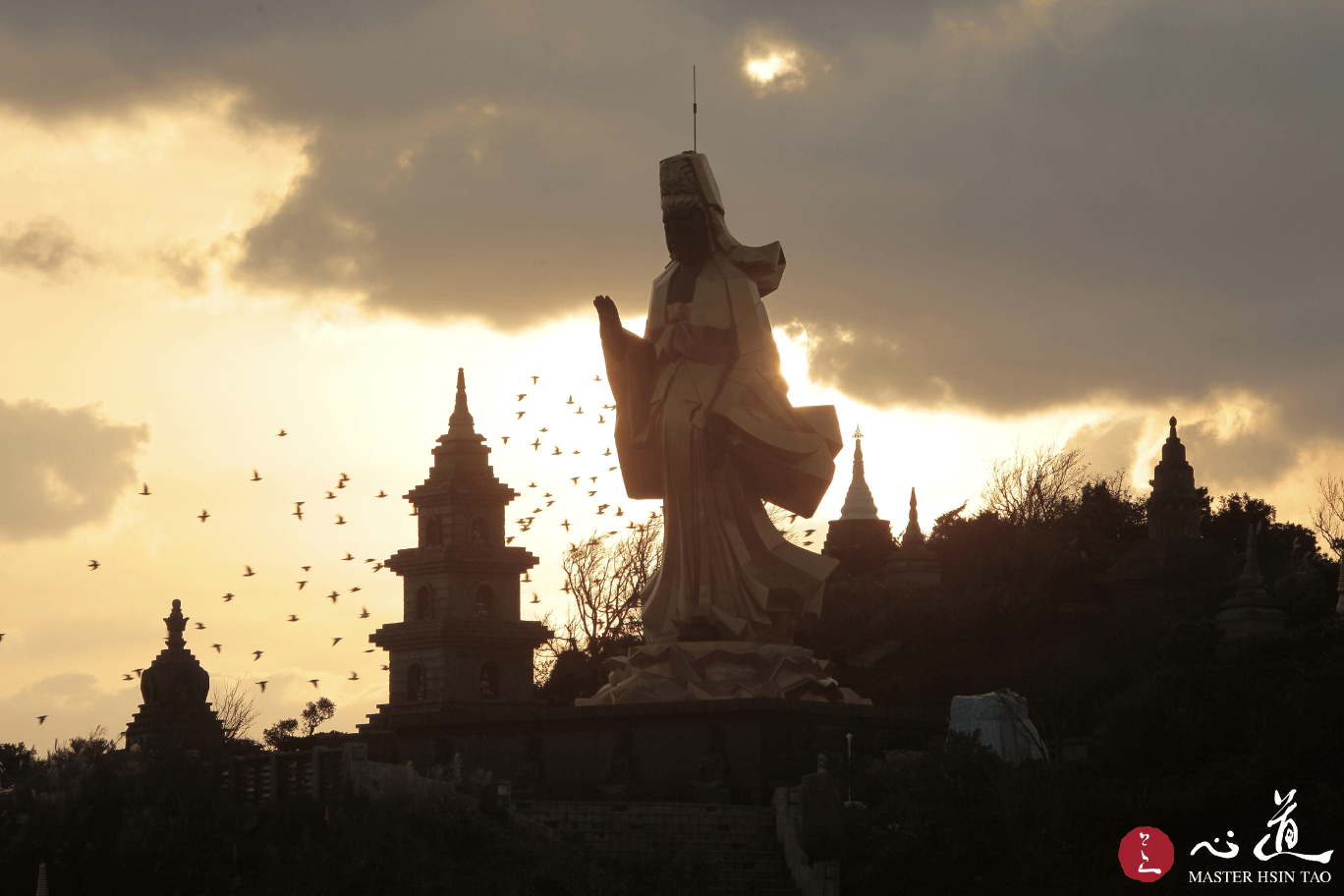
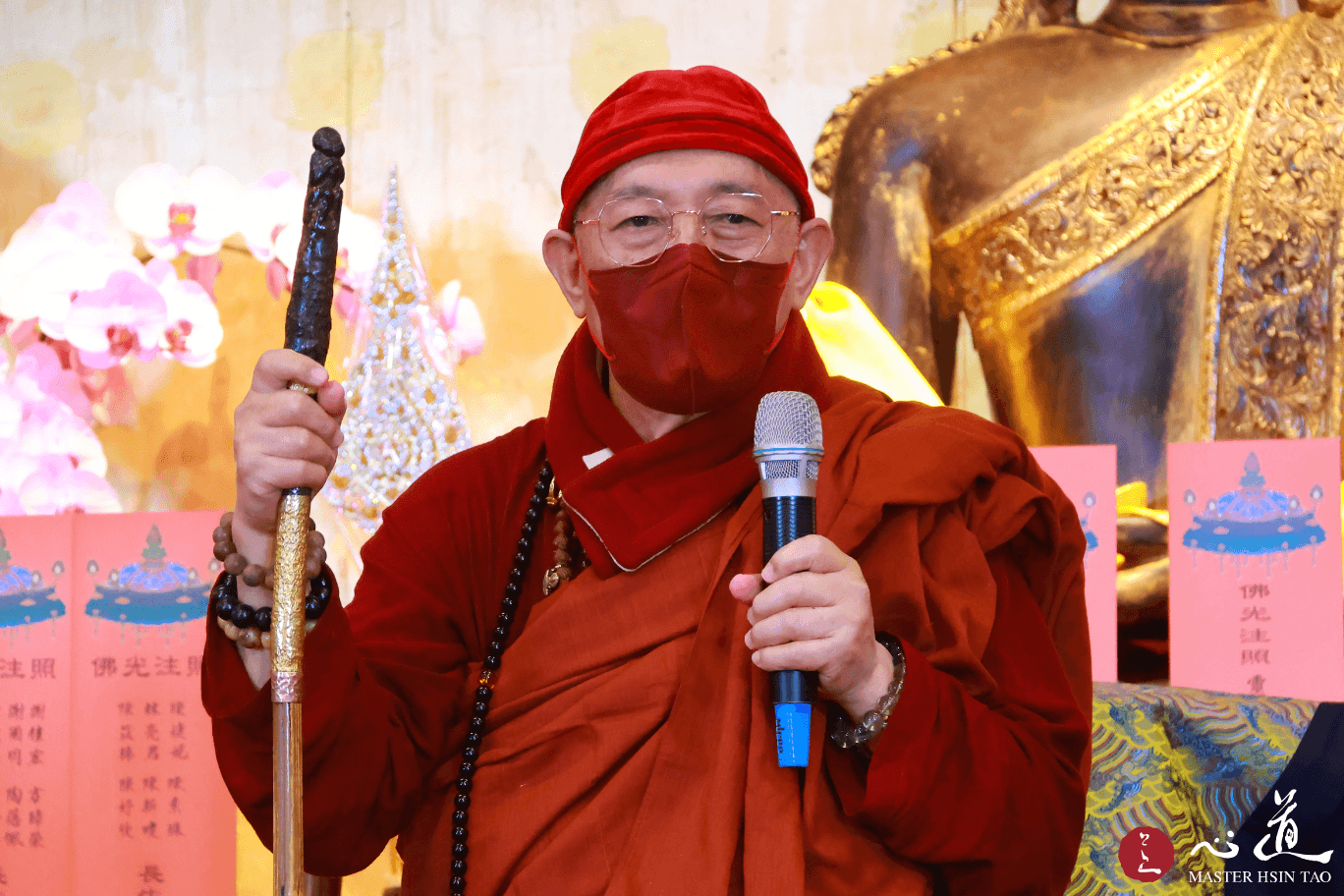 Each year during the first half of the year, the Ling Jiou Mountain Buddhist Society holds a twenty-one-day Great Compassion Mantra Retreat, during which participants dedicate the merit of reciting the Great Compassion Mantra (Long Dharani) for the peace of the world. This year marks the fifteenth year of this practice. Especially nowadays, under the Chinese calendrical influence of the catastrophic Fire Horse and Red Goat Year, when wars and social chaos are said to be prevalent, we should recite the Great Compassion Mantra even more diligently. Not only can it safeguard ourselves, but it can also embody the compassionate aspirations through which we pray most deeply for the pacification of war.
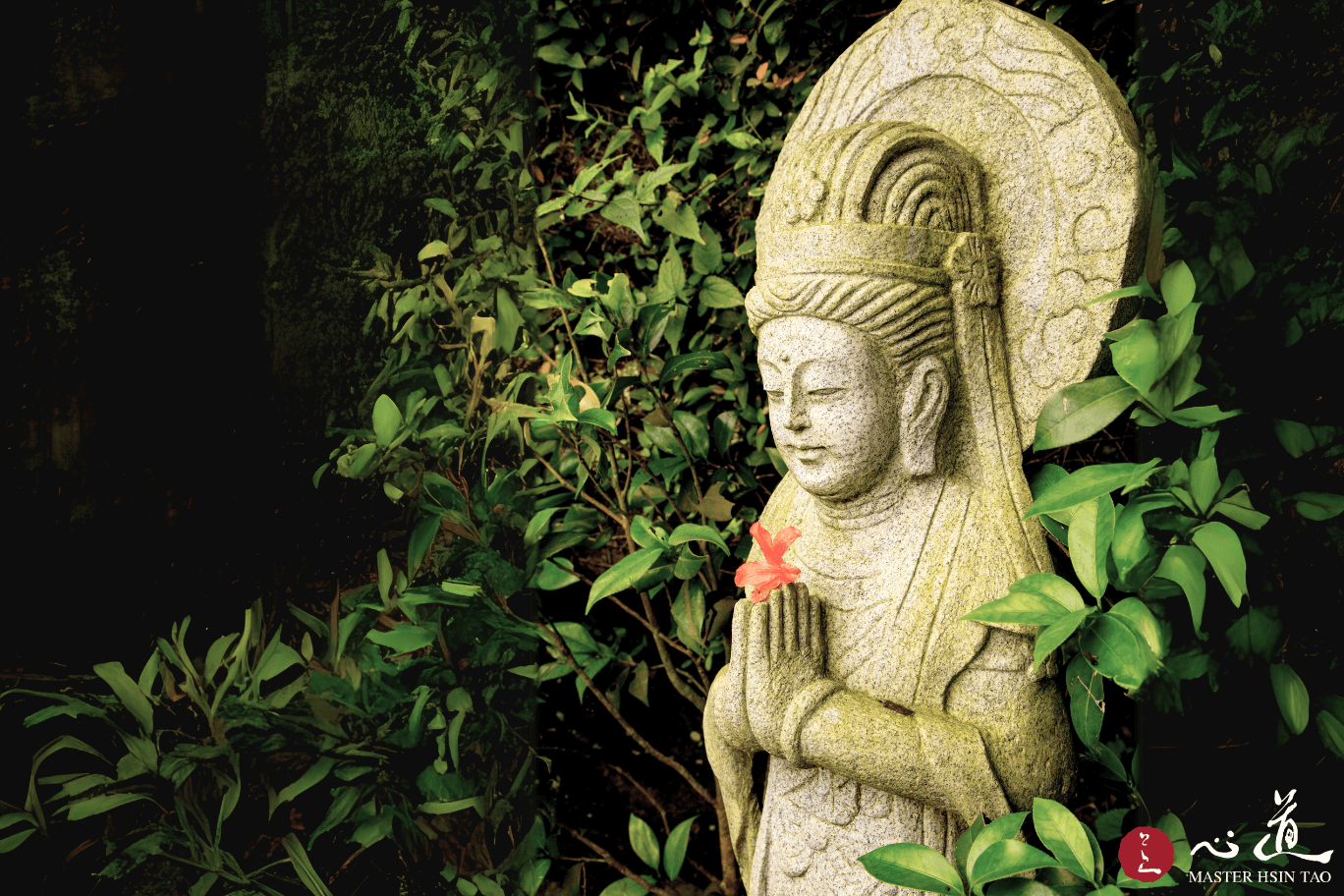
As long as we consistently recite the Great Compassion Mantra, virtuous conditions will naturally gather around us. When I was a young soldier who had just joined the army, I knew nothing and had neither relatives nor friends around; I was entirely alone. At that time, all I could do was recite the Great Compassion Mantra and the Heart Sutra. Starting from reciting them once each day, I gradually reached the point where I could recite them more than one thousand times daily. As a result, throughout my life, I have encountered favorable conditions. The Great Compassion Mantra has accompanied me throughout my entire life and has reinforced me to form a profound karmic connection with Guan Yin (Avalokiteshvara.) We should all engender the aspiration to emulate and learn from Guan Yin throughout one lifetime after another. To learn from Guan Yin is to practice the path of bodhisattva; therefore, we should uphold the Great Compassion Mantra as the support and refuge of our lives.
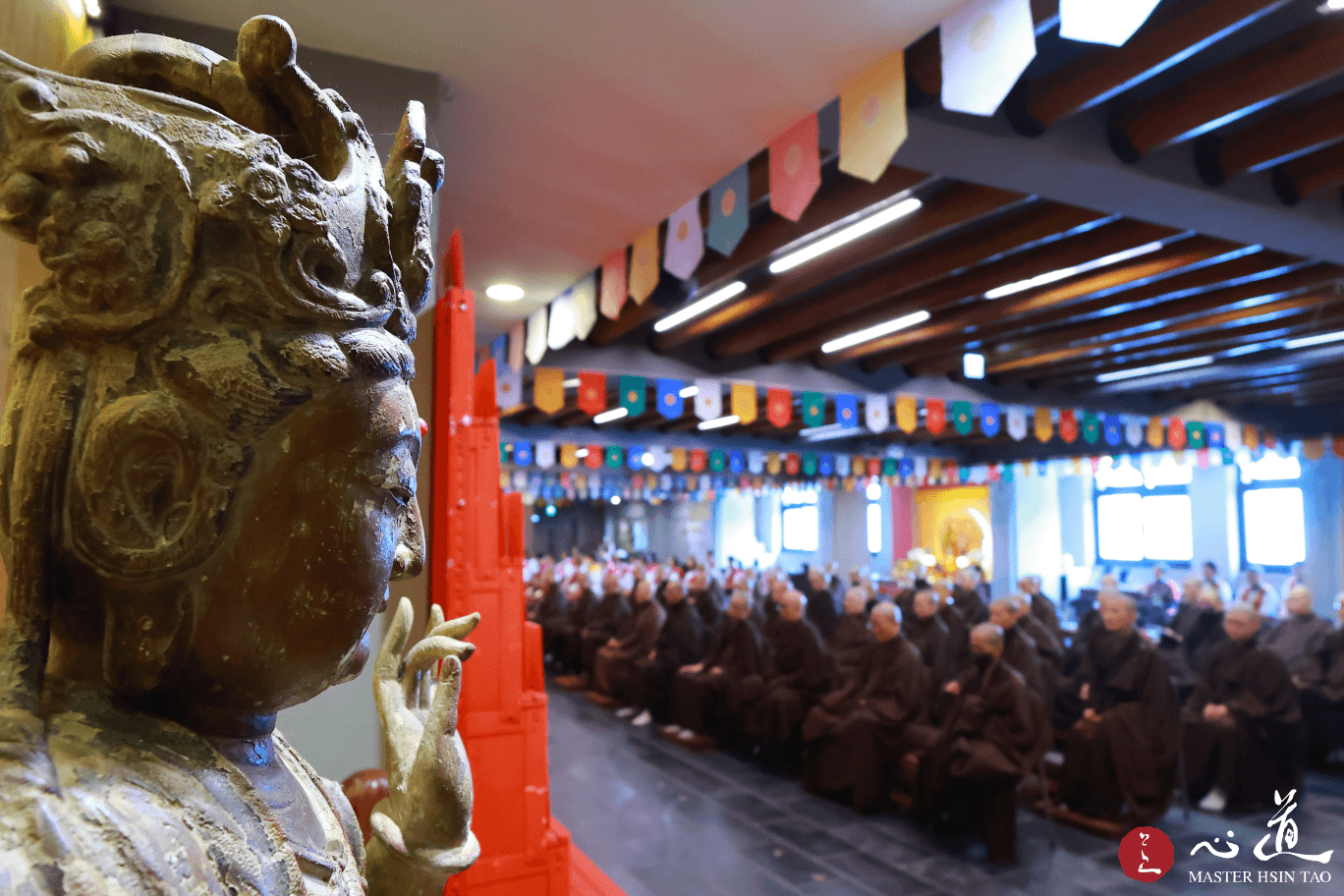 What is the purpose of reciting the Great Compassion Mantra? The upholding of the Great Compassion Mantra is fundamentally for the benefit of others: it is the aspiration that all sentient beings may be free from suffering, obtain happiness, engender bodhicitta, and together realize buddhahood. The meaning of the Great Compassion Mantra is none other than the mind of great compassion itself. Great compassion means that we must be endowed with bodhicitta and give rise to the aspiration for buddhahood; only then can it truly be called the study and practice of Dharma. When reciting the Great Compassion Mantra, one should wish for the collective well-being of all sentient beings, for only then can true goodness arise.
To abandon non-virtue, cultivate virtue, and engender bodhicitta are the three essential tasks that every Buddhist practitioner must accomplish. Dharma practice is not a superficial formality; otherwise, it is no different from not practicing at all. Every thought and intention we generate creates karma. What kind of karma do we create? It is either virtuous karma or non-virtuous karma. Non-virtuous karma traps beings, within cyclic existence, where, amid the continuous cycle of living and dying, they fall into the mire of suffering with no one able to come to their aid. Therefore, we must refrain from all non-virtues and cultivate all virtues. “Abandoning non-virtue and cultivating virtue” is the unchanging lifelong foundation for Dharma practitioners.
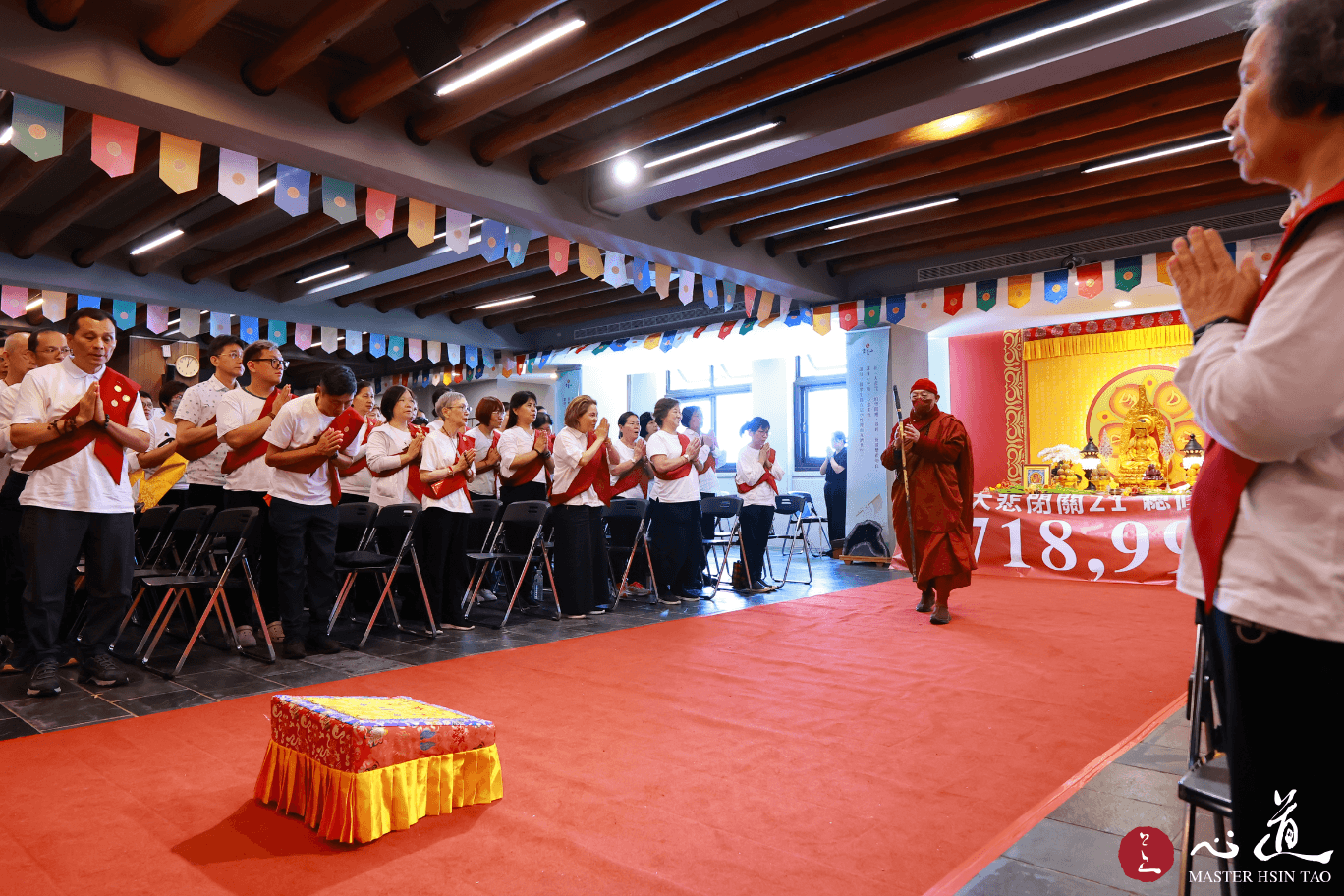 The third essential point is the engendering of bodhicitta and the practice of the bodhisattva path: guiding sentient beings to the study and practice of Buddhadharma, fostering harmonious, stable, and peaceful interpersonal relationships, liberating all sentient beings, and fulfilling the aspiration for the attainment of perfect buddhahood. Let us all work together, emulating Guan Yin through the recitation of the Great Compassion Mantra, so that the compassionate aspirations embodied in the mantra may safeguard the world, bringing harmony and fulfillment to this suffering world, this Age of Degeneration marked by the five degenerations and filled with countless calamities, and thereby bringing peace to the earth.