






2026.09.21
Prajna Wisdom’s Insight into All Phenomena; All Phenomena Are Within Prajna Wisdom
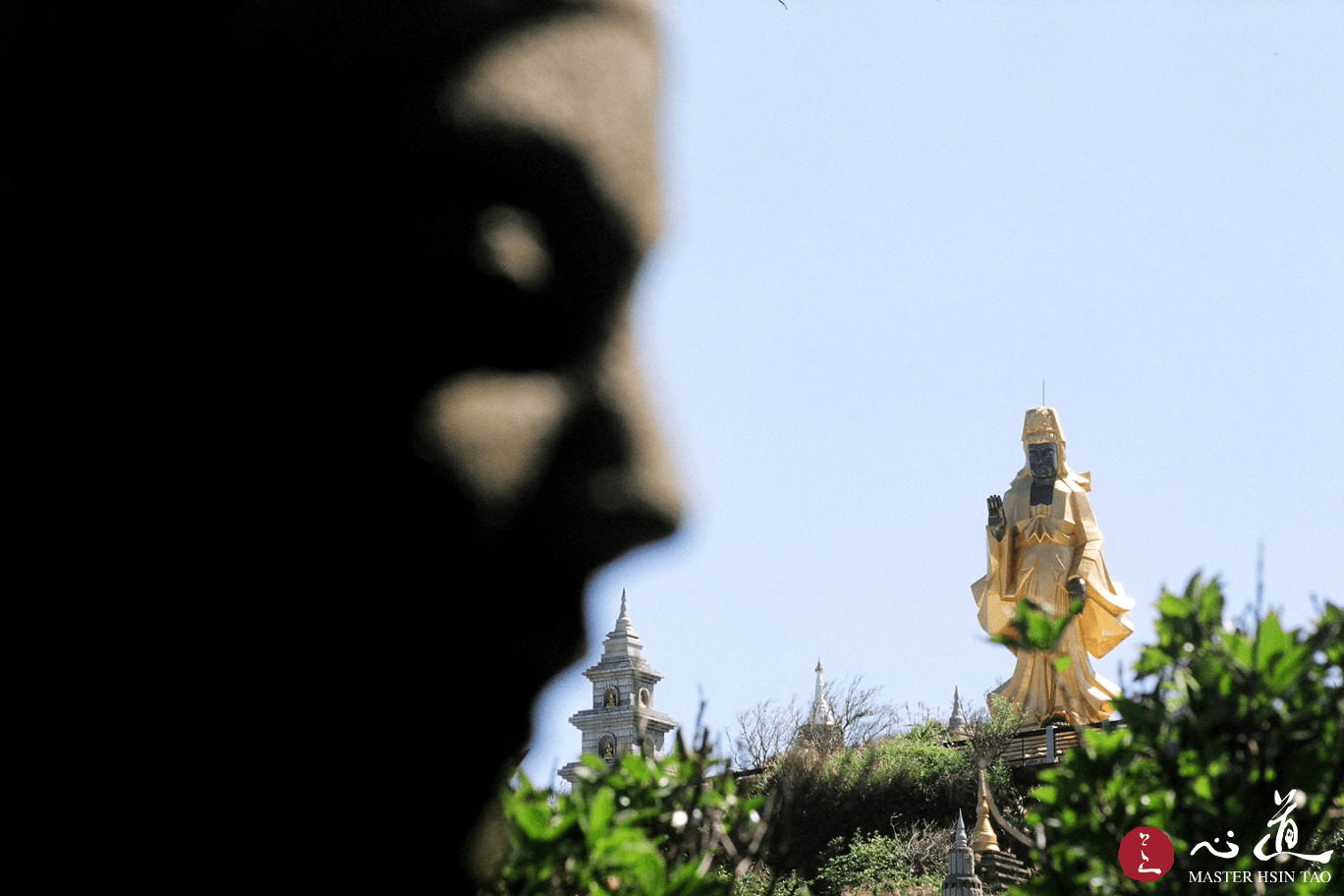 We often mention “prajna wisdom,” but what exactly is it? Put simply, prajna wisdom is a type of wisdom that enables one to have foresight and the ability to let go of concerns. Prajna wisdom is a principle common to both the Mahayana and the Hinayana, and it is the foundation of all Dharma teachings. Without prajna wisdom, there can be no Dharma; without prajna wisdom, none of the Dharma vehicles can properly be regarded as Buddhism. With the wisdom of prajna, one can thoroughly discern the essence of all phenomena as emptiness, ultimately reaching the other shore of liberation.
To reach the other shore of liberation, one must engage in “contemplative observation.” Through such observation, one thoroughly understands and gains insight into the truth of the universe and human existence. When one has attained unobstructed realization and all attachments have completely fallen away, one reaches what the Heart Sutra calls prajnaparamita—the perfection of wisdom, or the other shore of wisdom.
To “see with insight” into something means to investigate, analyze, and examine it. Buddhadharma is not a matter of blind faith. Only by gaining a thorough understanding can one learn to let go; only then can genuine faith be established, followed by putting the teachings into practice. This is what Dharma refers to as “faith, understanding, practice, and realization.” What, then, is contemplative observation? Anything encountered in daily life can become an object of contemplative observation. Observing the inhalation while counting the breaths is contemplative observation; observing the mind is contemplative observation. There is no phenomenon that cannot become an object of practice.
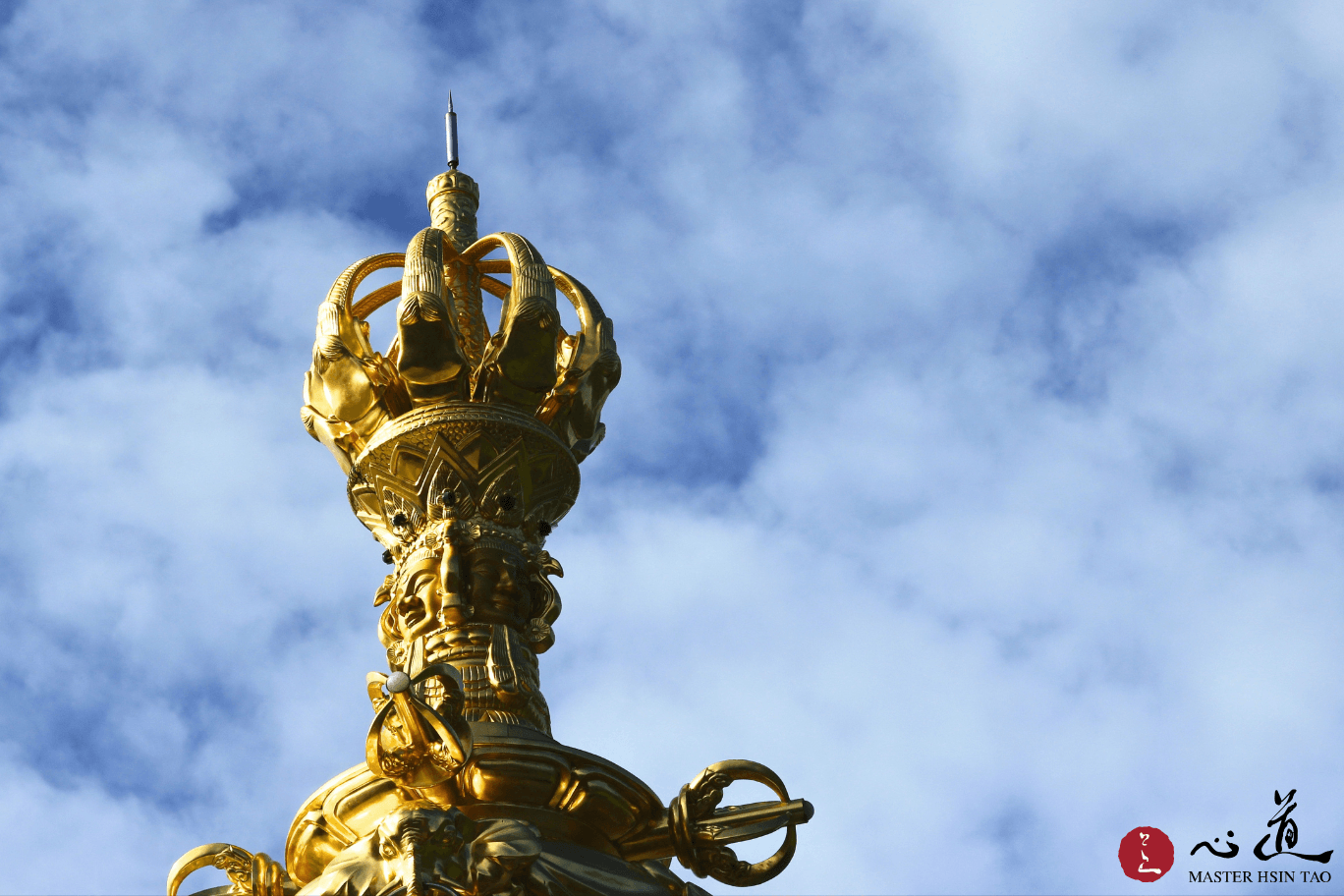 The Diamond Sutra states: “All conditioned dharmas are like a dream, an illusion, a bubble, a shadow. Like dew and lightning. Thus they should be perceived.” This is a profound method of prajna wisdom practice. Everything that is fabricated, subject to change, or conditioned can become an object of our observation. Conditioned phenomena continually change according to causes and conditions. At the beginning, we learn to contemplate phenomena as illusory and to cultivate the contemplation of emptiness. Gradually, we come to abide in the nature of mind, and ultimately realize at “the contemplation of reality.” The foundation at the beginning is to start with shamatha (calm-abiding), bringing the mind to rest upon a single object. This is the most fundamental element. “Shamatha” means that the mind is not scattered; “insight” means seeing with complete clarity and distinctness. Proceeding gradually from shamatha to vipashyana (insight) allows the luminosity of the nature of mind to manifest. In this sense, the cultivation of contemplative observation is a practice concerning the nature of mind through prajna wisdom.
I often say that the teachings I deliver are none other than prajna wisdom. Prajna wisdom is a kind of insightful study through which, by contemplative observation, we see through the nature of whatever phenomenon or object we encounter, and through this insight, we realize emptiness. Thus, we should employ the contemplative method of prajna wisdom to reach the other shore of the nature of mind—emptiness. The locus of emptiness is our buddhafield, the very place of the Western Pure Land of Sukhavati.