



2024.06.24
Walking the Bodhisattva Path Together for Sustainability
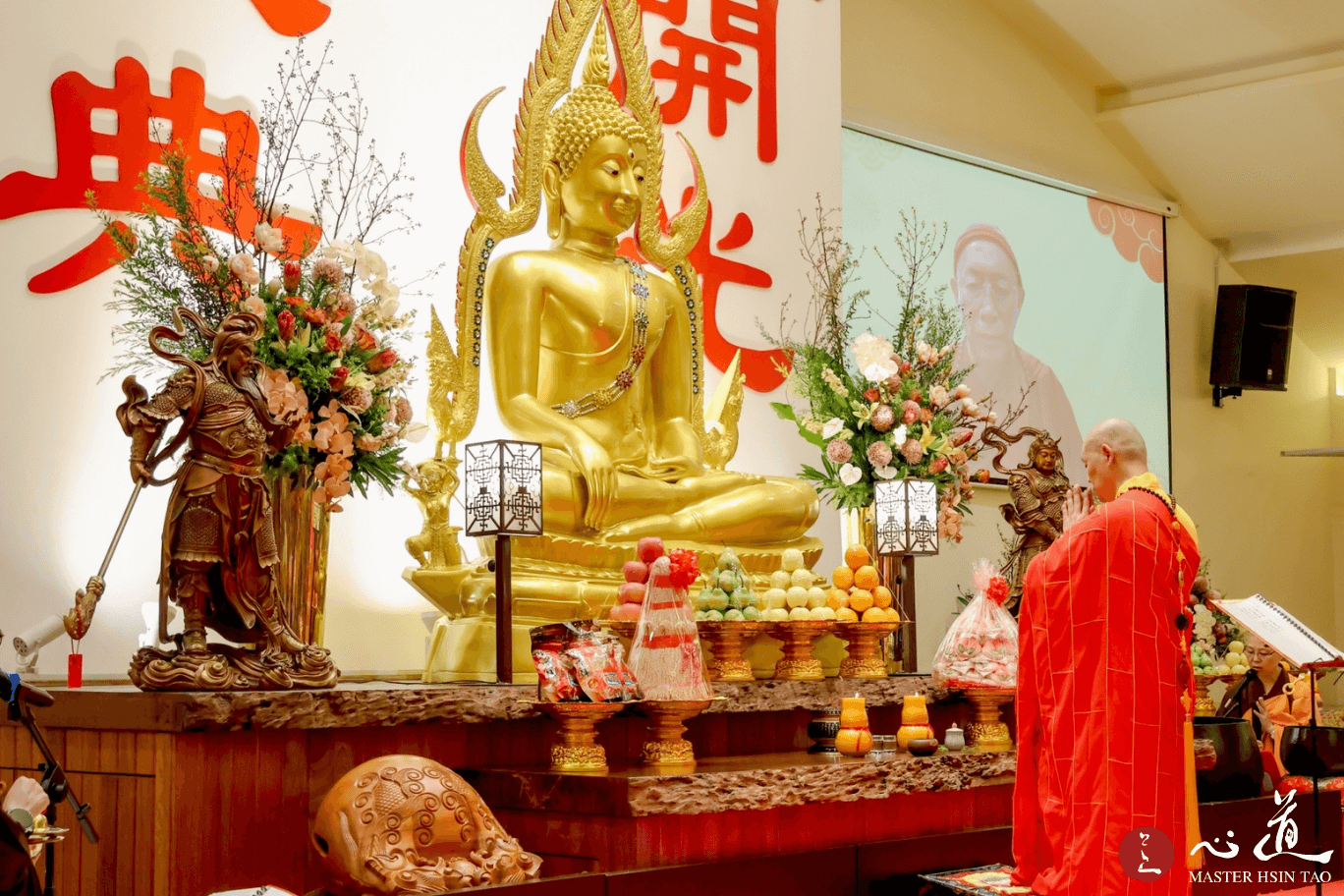
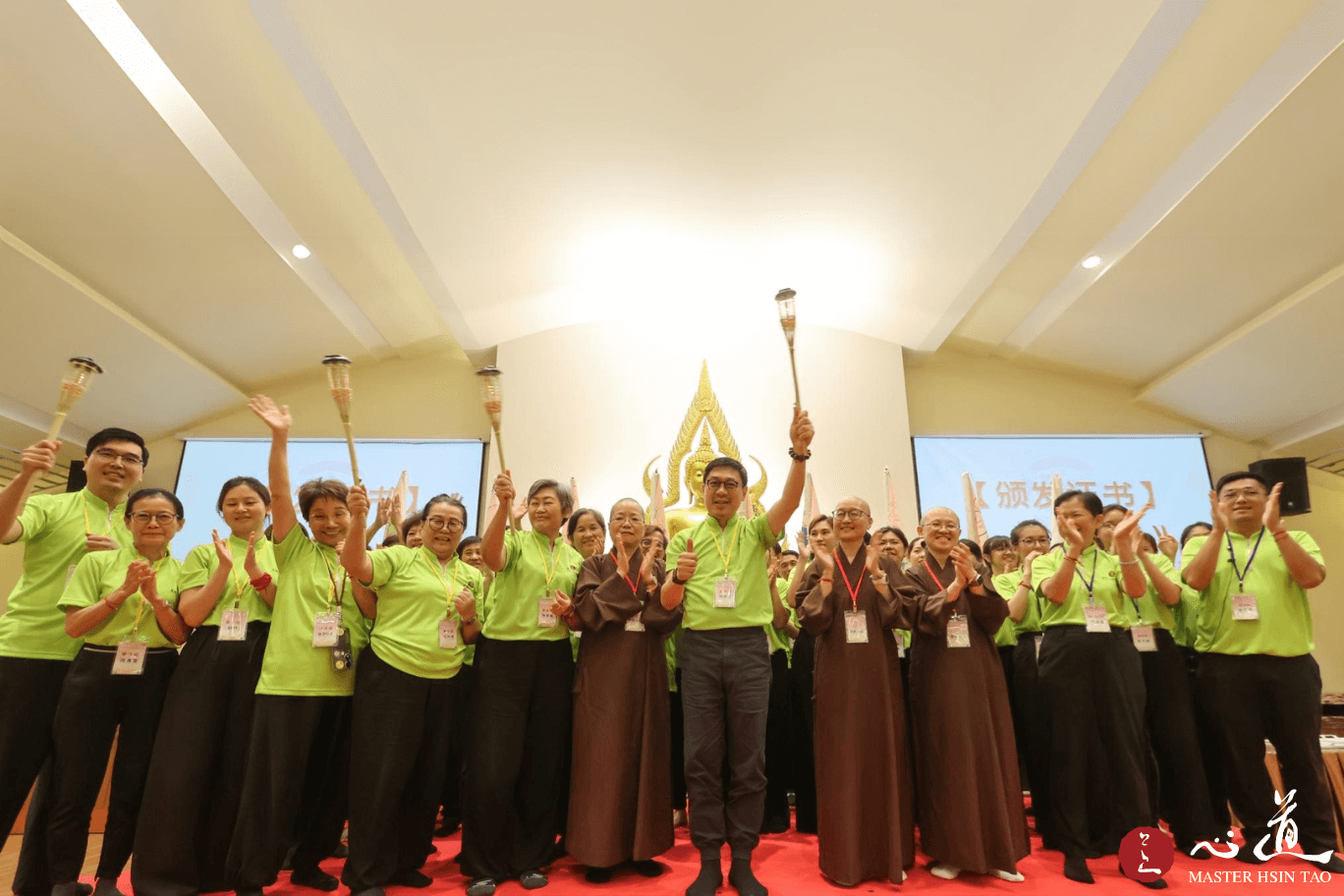
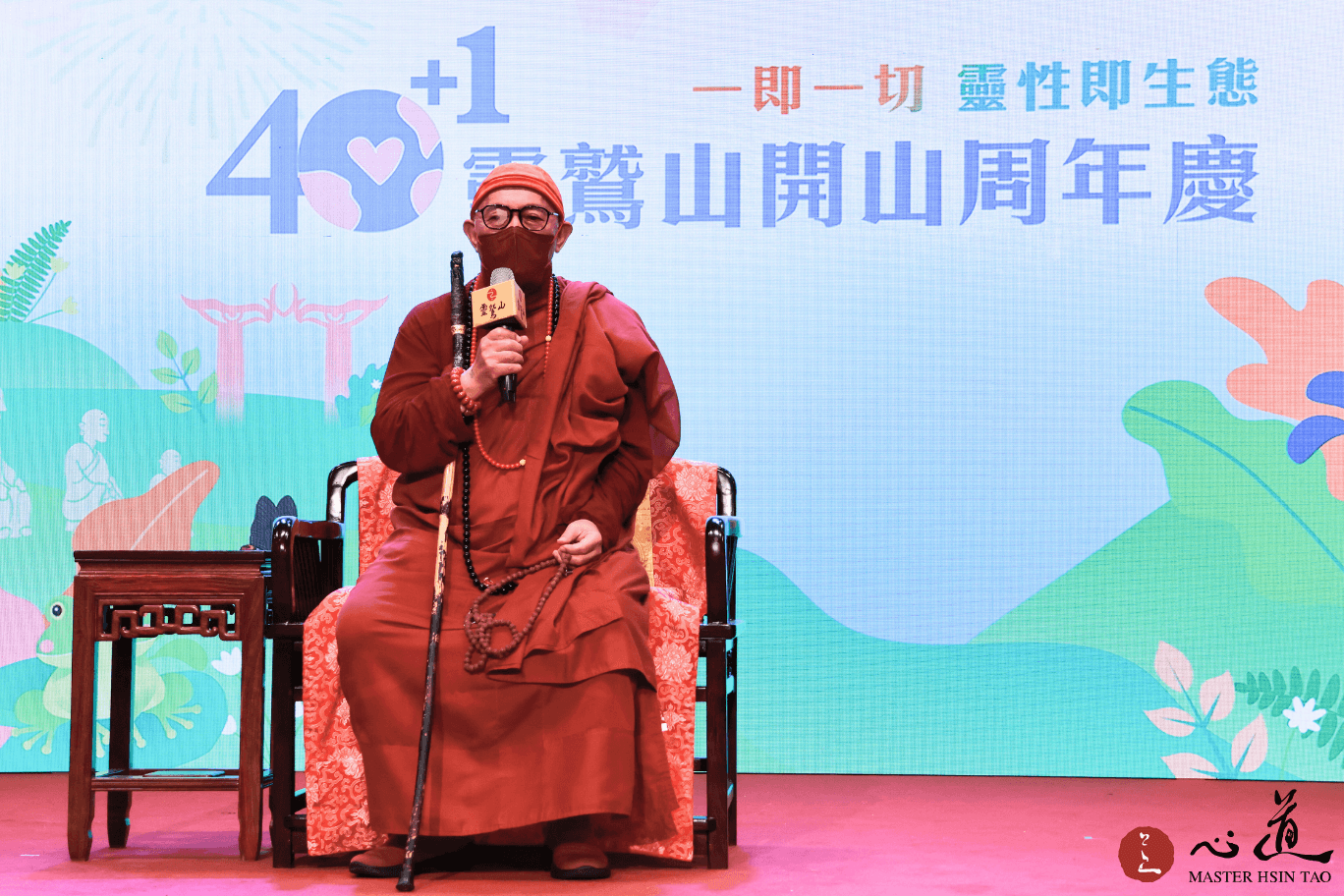 June 23, 2024 marks the 41st anniversary of Ling Jiou Mountain. On this day, together with Dharma friends around the world, we walk the Bodhisattva path with a shared aspiration and united purpose, guided by the principles: refrain from non-virtues, engage in virtues, and purify our intents. This is not only our daily practice but also our continual endeavor. We move forward as one in our commitment to the Bodhisattva path—this is our activity, life’s mission, and a journey we must take across lifetimes.
We aspire to create a world rooted in mutual flourishing and collective goodness—a world where peace and stability can be achieved through mutual respect, inclusivity, and sharing. This stands in contrast to relationships based on exploitation; instead, we uphold the view that all beings and all forms of life are central to existence. Yet the world today is plagued by frequent warfare and persistent natural and human-made disasters. Although humanity has weathered the COVID-19 pandemic, we continue to live under the shadow of its ongoing threats, causing widespread anxiety and unease. Nevertheless, with the guidance of Buddhadharma, we understand that following the path of the Buddha leads to inner peace and stability.
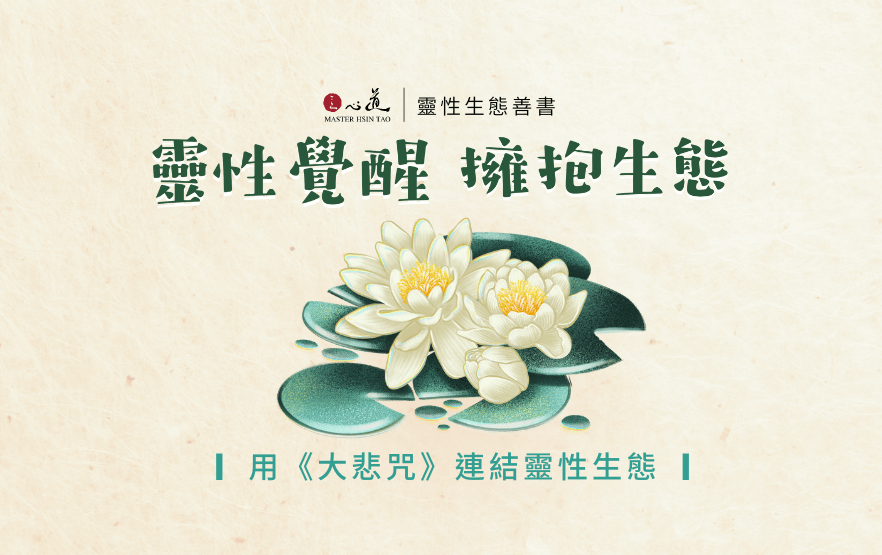
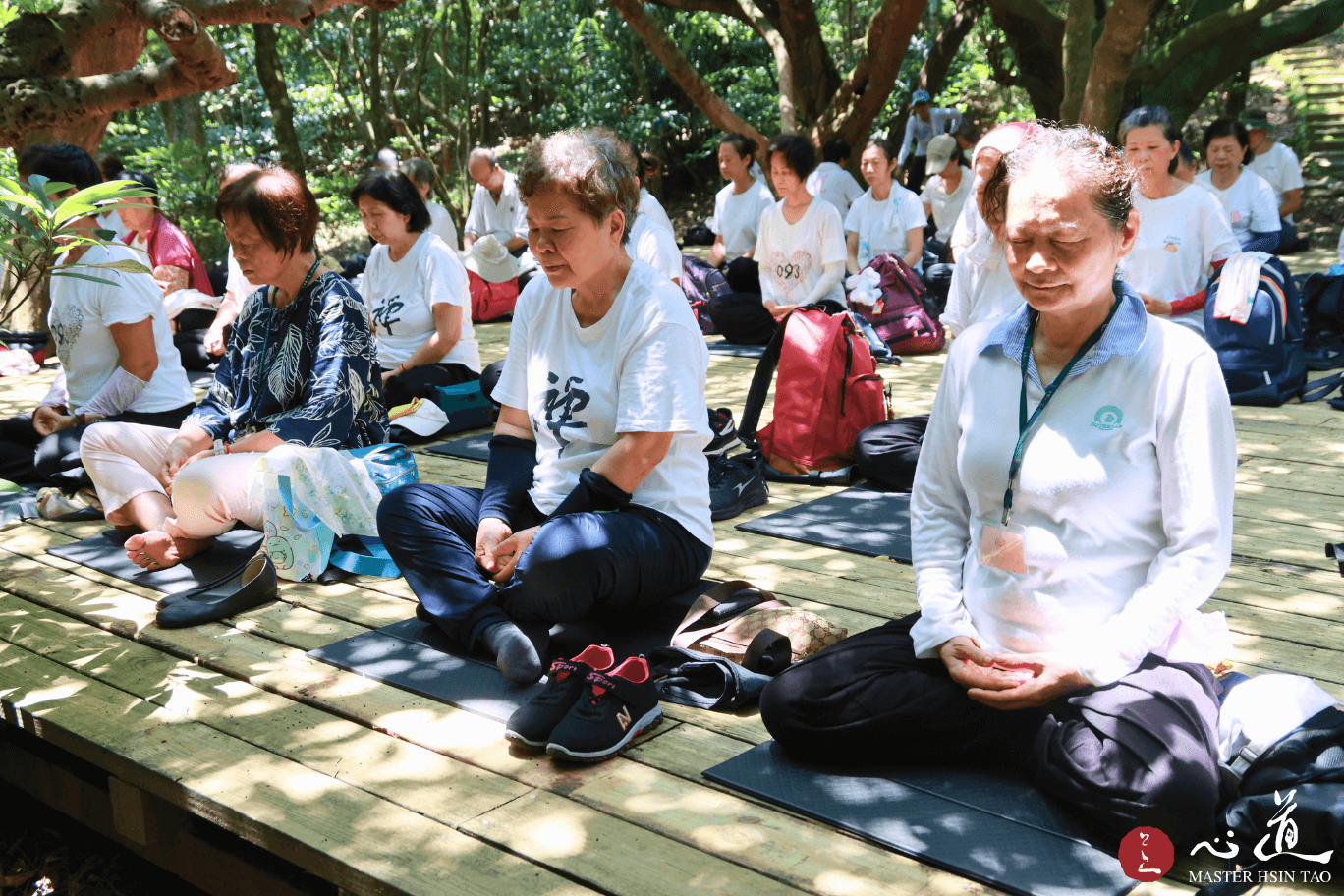 Ling Jiou Mountain now advocates for “spiritual ecology” as a means to promote ecological peace. In establishing the Museum of World Religions, we embraced the values of respect, tolerance, and love to connect various faiths. We believe that all religions are one family and that spirituality is fundamentally oneness. The spirituality we seek to foster is peaceful and integrative, not isolated or divisive.
Spiritual ecology can be seen as a form of “memory drive” that retains the memory of growth and the seasonal cycle. Today, however, the natural cycle of the seasons has been disrupted; the polar ice caps are melting, undermining the ecological balance that gives rise to spring, summer, autumn, and winter. This disruption stems from our failure to understand the value of ecology and our disregard for ecological space. Ecology encompasses all species, and species sustain all forms of life. To destroy the environment, then, is to commit an act of collective self-destruction.
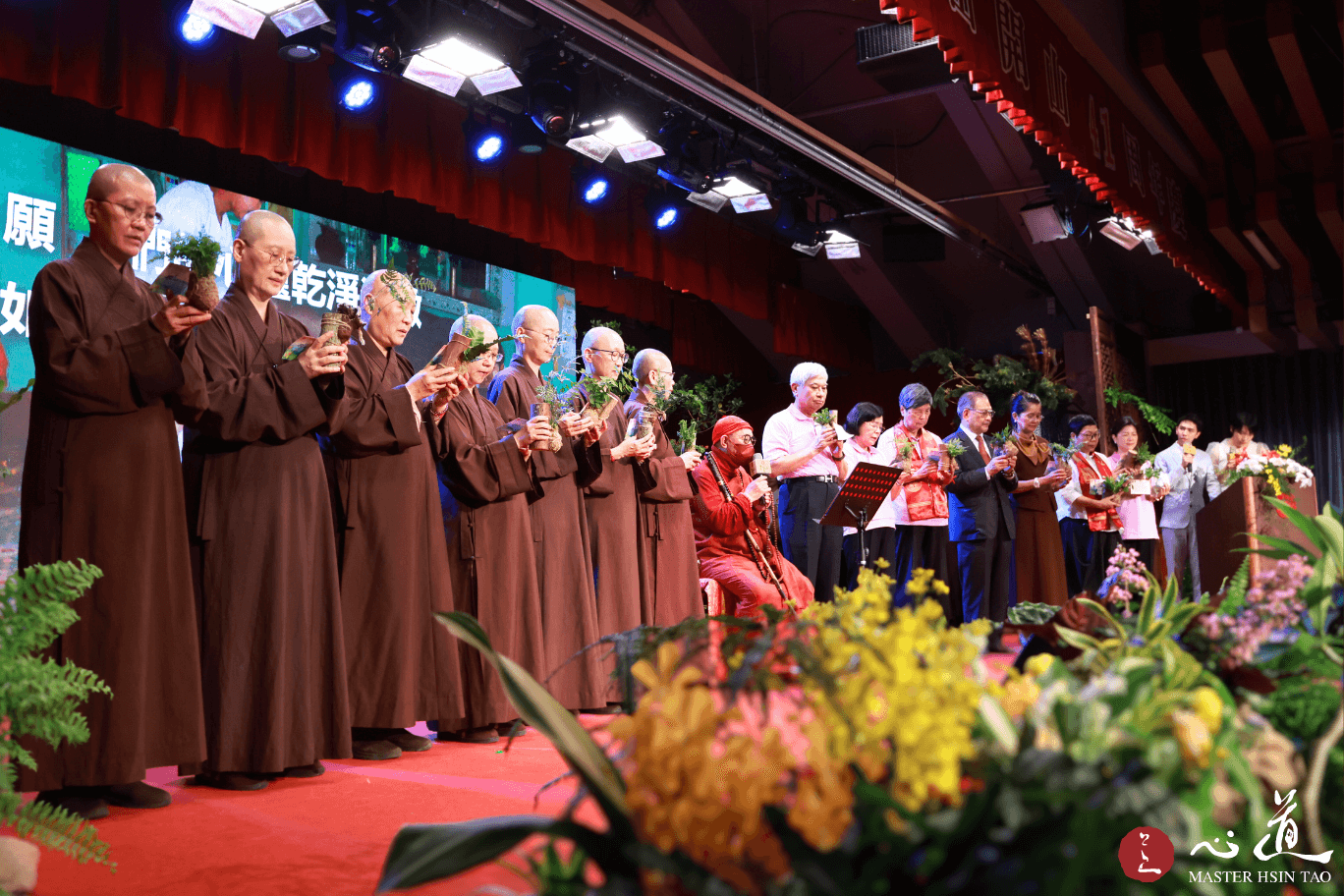 At the Global Faith Leaders Summit in Abu Dhabi, we addressed ecological concerns and pointed to excessive crude oil extraction as a major driver of ecological collapse. The loss of crude oil disrupts the conditions needed for snow formation, leading to avalanches in the polar regions. Moreover, crude oil as a scarce resource is a cause of war thus one of the main factors for destruction. People have forgotten that the world we inhabit depends on the integrity of the ecosystem. Without it, there can be no food; without food, humanity cannot survive. The sustainability of the environment is inextricably linked to the sustainability of human civilization.
Therefore, on this anniversary, we call for collective awakening and renewed connection. Let us raise awareness to ecological crises and come to understand that the value of ecology is vital to human survival. This is the very reason we established the University for Life and Peace—to educate people on the importance of spiritual ecology, to promote ecological education grounded in organic cycles, and to prevent the continuation of environmental destruction. Only then can we achieve ecological and human sustainability.
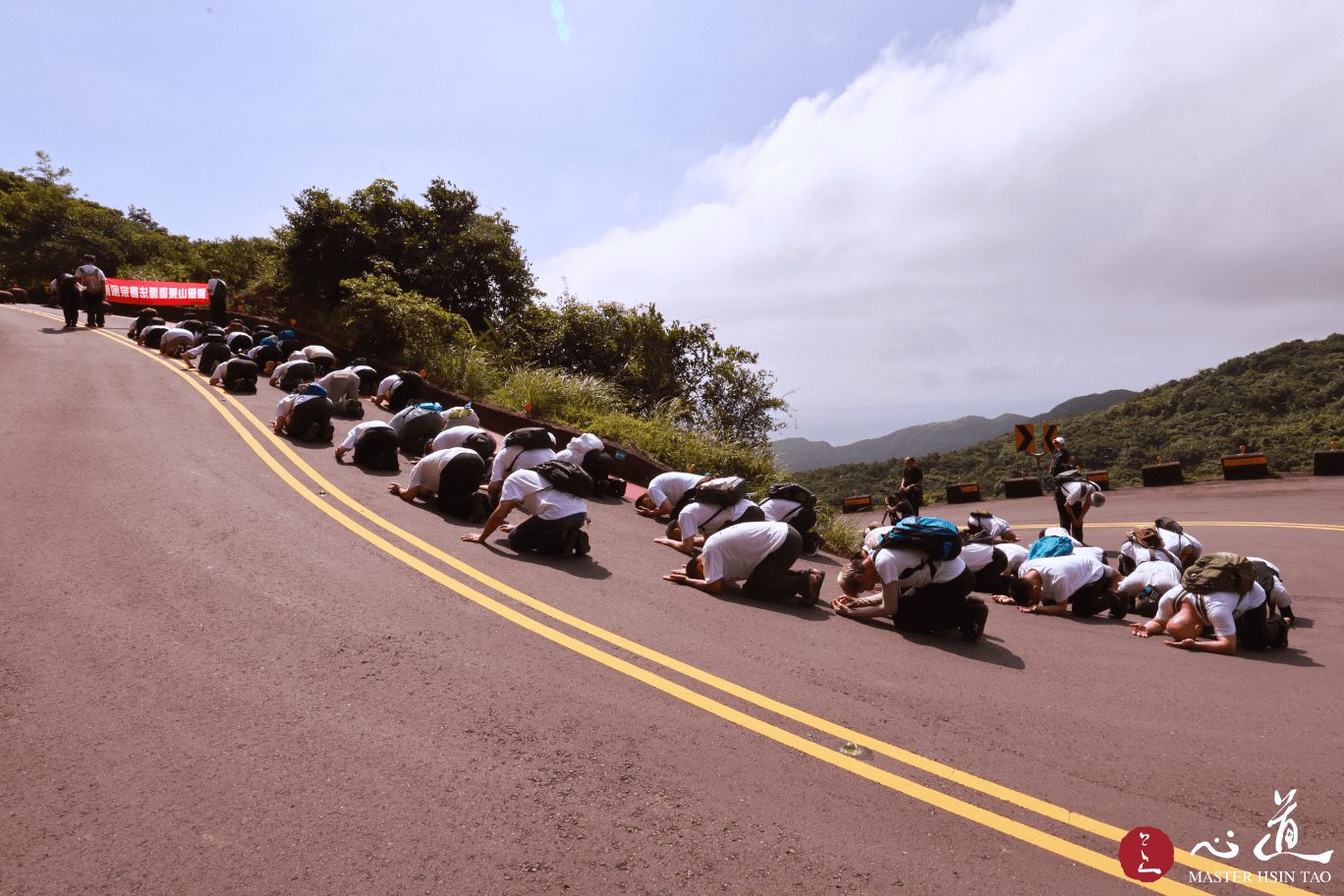 Let us all join together in this effort, advancing toward the compassionate aspirations of the Bodhisattva path. Dharma practice is not a casual engagement—it is a lifelong, even lifetimes, commitment until Buddhahood. We must not waver in our resolve. The essence of Buddhist practice lies in transforming the Dharma into virtuous action and in embodying the path of the Buddha.